Imagine running a busy office or data center. Multiple devices are connected, traffic is heavy, and every second counts. Suddenly, a single bottleneck can slow down your workflow—or worse, create downtime. In situations like these, unmanaged switches just aren’t enough. Enter managed switches, the silent network managers that ensure your digital environment runs smoothly.
Managed switches give you control, flexibility, and reliability over your network, making them ideal for businesses, gamers, IT professionals, and enterprise environments. Let’s explore what makes them essential and how they can elevate your network performance.
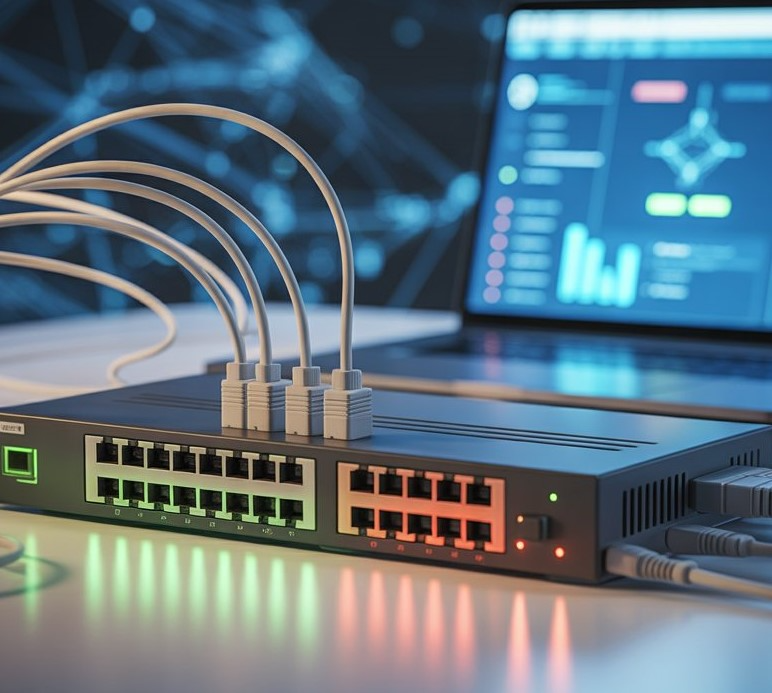
Why Managed Switches Matter
Unlike unmanaged switches, which simply connect devices without any control, managed switches offer intelligence:
-
Traffic Management: Prioritize critical applications like video calls, VoIP, or gaming.
-
Security: Control access with VLANs, port security, and advanced monitoring.
-
Scalability: Easily add new devices without disrupting the network.
-
Monitoring & Diagnostics: Detect network issues before they become problems.
With these features, managed switches don’t just connect devices—they optimize the flow of data across your network.
Key Features of Managed Switches
1. VLAN Support
Virtual LANs allow you to segment your network for better security and efficiency. For example, you can separate guest WiFi traffic from your main business network, keeping sensitive data safe.
2. Quality of Service (QoS)
Prioritize high-bandwidth applications so critical tasks like video conferencing or online gaming aren’t affected by less important traffic.
3. Port Mirroring & Monitoring
Monitor network traffic in real-time for troubleshooting and analytics—ideal for IT teams managing complex setups.
4. Redundancy & Reliability
Advanced managed switches support link aggregation and spanning tree protocols, reducing downtime and ensuring your network is always available.
Pondesk Picks: Managed Switches to Upgrade Your Network
Here are some top managed switches available on Pondesk, each designed to meet different needs from small offices to enterprise-grade environments:
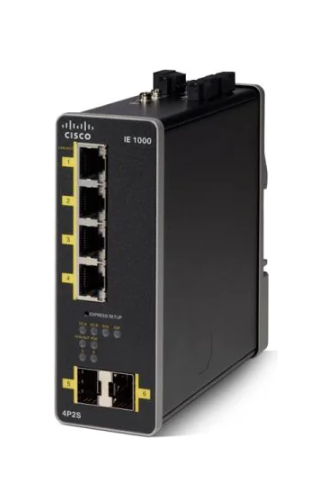
Cisco IE-1000-4P2S-LM Gigabit Ethernet PoE Managed Switch
This compact, industrial-grade switch is perfect for environments that demand both reliability and power over Ethernet (PoE). With 4 Gigabit ports and 2 SFP uplinks, it’s ideal for connecting cameras, access points, or IoT devices. Cisco’s reputation ensures high durability, easy management, and seamless integration into existing networks. If uptime is critical, this switch keeps your operations running smoothly.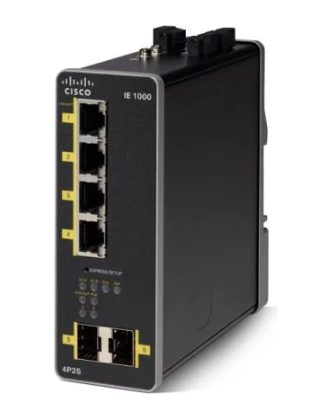
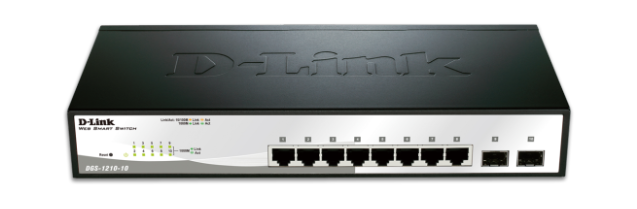
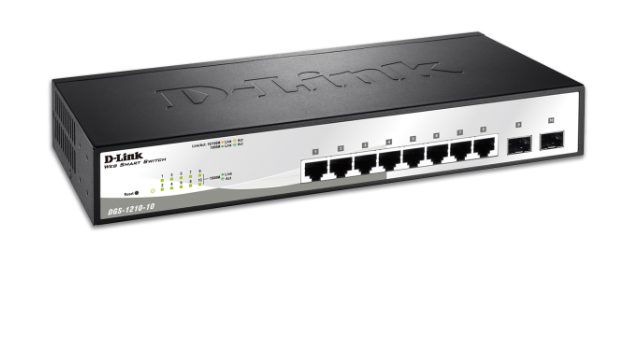
D-Link DGS-1210-10E L2 Gigabit Ethernet Managed Switch
The D-Link DGS-1210-10E is perfect for small to medium offices. With 10 Gigabit ports and Layer 2 features like VLANs, QoS, and link aggregation, it ensures fast, secure, and efficient data flow. It’s user-friendly, energy-efficient, and excellent for businesses that need reliability without complex setup.
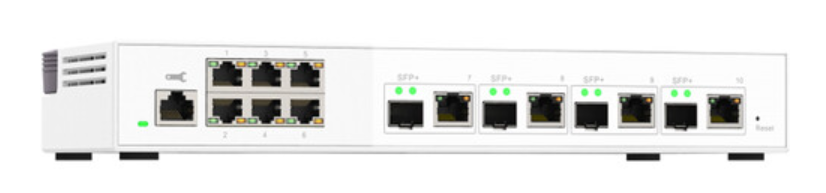
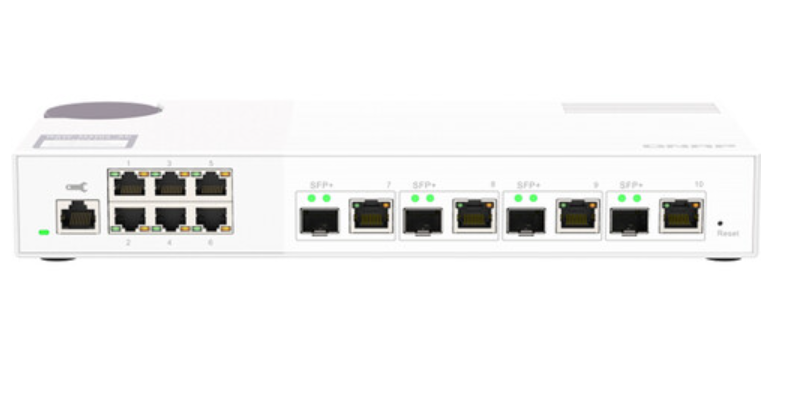
QNAP QSW-M2106-4C L2 2.5G Ethernet Managed Switch
Designed for high-performance environments, the QNAP QSW-M2106-4C delivers 2.5GbE speeds on all ports, making it perfect for media editing, server clusters, and fast storage access. With Layer 2 management, it balances performance and control, allowing IT teams to optimize network traffic efficiently.
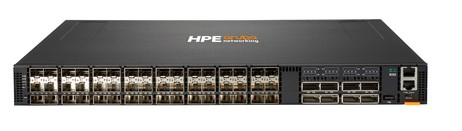
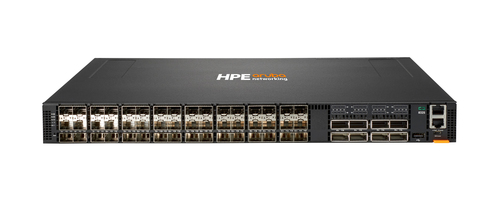
HPE Aruba CX 8325 48Y8C Managed Switch
The HPE Aruba CX 8325 is an enterprise-grade powerhouse. With 48 high-speed ports, advanced airflow management, and dual power supplies, it’s built for data centers and demanding network environments. It supports L3 routing, advanced security protocols, and intelligent monitoring, making it perfect for large-scale deployments where reliability is non-negotiable.
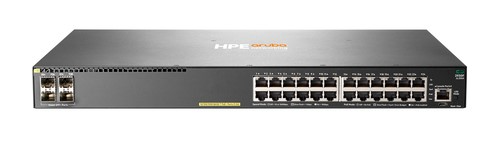
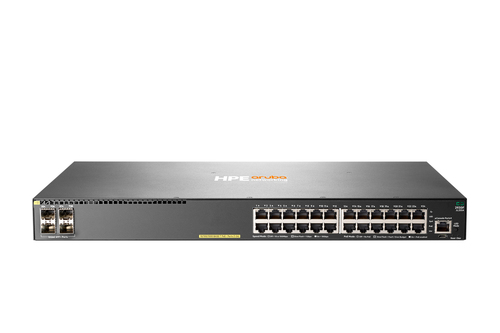
HPE Aruba Networking 2930F 24G PoE + 4SFP Managed Switch
The HPE Aruba 2930F combines Layer 3 routing, PoE support, and 24 Gigabit ports with 4 SFP uplinks. Ideal for growing offices, this switch handles multiple devices, VoIP systems, and surveillance cameras seamlessly. Its simple management interface and robust security features make it a favorite among IT teams who need both power and ease of use.
Buyer Tips: Choosing the Right Managed Switch
-
Small offices → 8–16 ports with VLAN and QoS support.
-
Medium to large businesses → 24–48 ports, advanced monitoring, and stacking capabilities.
-
High-performance environments → 2.5GbE or higher, Layer 3 support, redundancy features.
-
PoE devices → Choose switches with PoE support for cameras, APs, or VoIP phones.
Final Word
Managed switches are the backbone of any efficient network, whether for offices, gaming setups, or enterprise environments. From high-speed PoE connections to 48-port enterprise-class performance, Pondesk has a solution for every requirement.
Explore the full range of Managed Switches at Pondesk and upgrade your network today.
FAQs
Q1. How is a managed switch different from an unmanaged one?
Managed switches allow complete control over traffic, security, and monitoring, while unmanaged switches simply connect devices. Managed switches optimize performance, provide VLANs, QoS, and port mirroring, making them essential for professional or enterprise environments.
Q2. Can a managed switch improve my home network?
Yes! Even for home users, managed switches can prioritize gaming or streaming, segment guest networks, and prevent slowdowns when multiple devices are active.
Q3. Do I need technical skills to use a managed switch?
Basic features like VLAN setup and QoS can be managed via web interfaces or apps, which are often user-friendly. Advanced configurations may require networking knowledge, but many small businesses can set up and benefit from managed switches with minimal experience.
Q4. Are PoE switches worth it?
Absolutely. PoE switches allow you to power devices like IP cameras, access points, and VoIP phones directly through Ethernet cables, reducing the need for extra power adapters and simplifying installations.
Q5. Which managed switch is best for a growing office?
For small to medium offices, D-Link DGS-1210-10E or HPE Aruba 2930F provide an excellent balance of performance, security, and expandability. They handle multiple devices, offer PoE support, and are easy to manage.
Comments (0)