Choosing your first camera can be confusing. This guide helps beginners pick an easy and affordable camera in 2026.
Choosing your first camera can be confusing and stressful. Many beginners feel lost because there are too many options and technical terms. The best camera for beginners should be simple to use, affordable, and good enough to learn photography without frustration. In 2026, beginner cameras are designed to solve these problems with easy controls, auto modes, and great photo quality.
This guide helps you find the right camera without wasting money. Whether you want clear photos, smooth video, or a camera better than a phone, the right choice makes learning fun. A good beginner camera builds confidence and helps you enjoy photography from the start.
Best Camera for Beginners | Best Digital Camera for Photography & Video
The photography world has evolved tremendously, making 2026 an exciting time for anyone wanting to learn photography. Modern cameras blend user-friendly technology with powerful capabilities that were once reserved for professional photographers. Whether the goal is capturing family moments, starting a YouTube channel, or exploring creative photography, today's beginner camera options deliver exceptional results without demanding technical expertise upfront.
The market now offers something for everyone from lightweight point-and-shoot cameras perfect for travel to versatile mirrorless systems that grow alongside developing skills. Canon and Nikon continue leading with reliable entry-level options, while Sony and Fujifilm push boundaries with innovative features especially suited for beginners. Each camera mentioned here balances ease of use with the flexibility needed as photography skills progress, ensuring the investment remains valuable for years to come.
Top 10 Best Cameras for Beginners in 2026 - Best Digital Camera for Photography & Video
Under Top 10 Best Cameras for Beginners in 2026, choosing the right model becomes easier when the focus is on real needs. Many people ask what's the best camera when starting out, but the answer depends on simple photography features, ease of use, and future growth.
A lens camera gives better control than a smartphone or film camera, while still staying friendly for learning. For camera as a beginner, the goal is clear photos, simple menus, and reliable performance. When a camera feels easy and fun, it’s a great camera to start learning photography with confidence.
On our website, these beginner cameras are selected to help users grow. Each option offers strong photography features, clean image quality, and room to upgrade your camera later with better lenses or accessories. From compact models to mirrorless lens cameras, every choice supports learning without pressure. These cameras help beginners enjoy photography today while staying ready for the next step tomorrow.
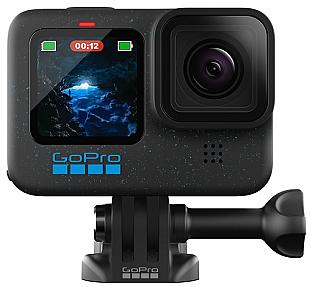
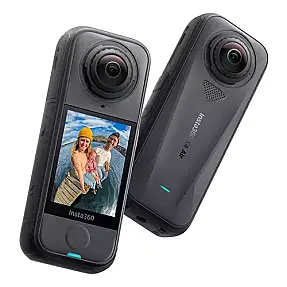
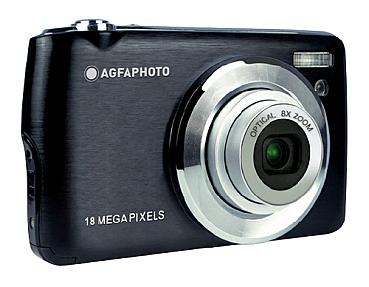
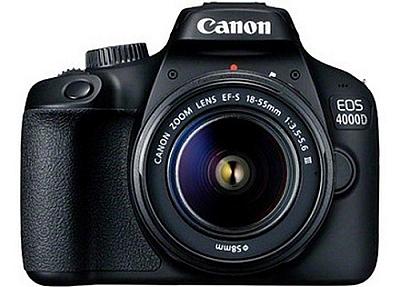
Canon EOS for Beginners | Canon EOS 4000D DSLR Camera Kit
The canon eos 4000D DSLR Camera Kit is designed for beginners who want a real camera with great image quality and simple controls. It features an 18 MP APS-C sensor and an included 18–55mm zoom-lens, making it easy to capture sharp photos, natural background blur, and clear Full HD video. This beginner camera is good for everyday photography, family moments, and travel shots.
Built-in Wi-Fi allows quick photo transfer to a smartphone, while Canon’s guided Creative Auto mode helps new users learn photography as they shoot. The reliable autofocus system keeps subjects sharp, even in motion. Lightweight and easy to handle, this Canon EOS camera is a great choice for anyone upgrading from a smartphone and looking for a beginner-friendly DSLR that delivers strong photo and video results.
Why Choosing the Right Camera Is Important for Beginners
Selecting the right starter camera shapes the entire photography journey. A poor choice leads to frustration complicated menus that confuse, features that overwhelm, or image quality that disappoints. Conversely, the camera you should get as a newcomer becomes a patient teacher, encouraging experimentation while delivering rewarding results.
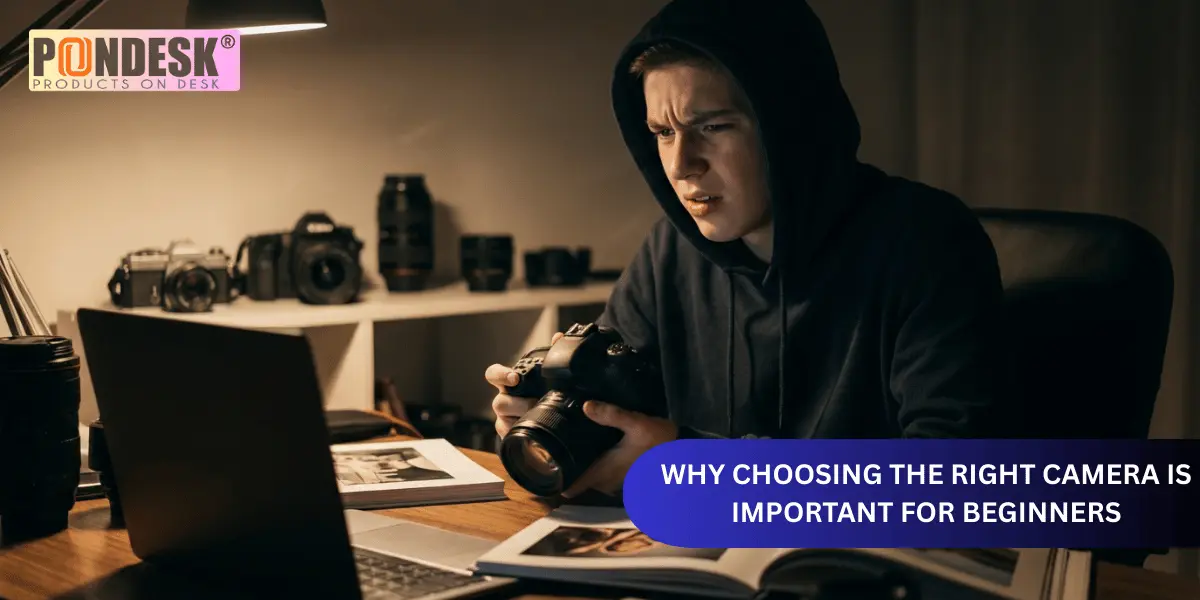
The first camera purchase influences what subjects can be photographed, how quickly skills develop, and whether the learning process feels enjoyable or discouraging. A great camera for beginners doesn't talk down to users with overly simplified features, yet it avoids the complexity that makes professional cameras intimidating.
Budget plays a crucial role here. Overspending on advanced features that won't be used for months wastes resources. However, buying something too basic might mean upgrading within a year. The best camera for a beginner hits that perfect middle ground, affordable enough to feel like smart spending while capable enough to support several years of growth.
What Makes a Camera Beginner Friendly
Understanding what separates a fantastic camera for beginners from one that frustrates newcomers helps narrow down choices considerably. The best beginner cameras share several key characteristics that make learning photography feel natural.
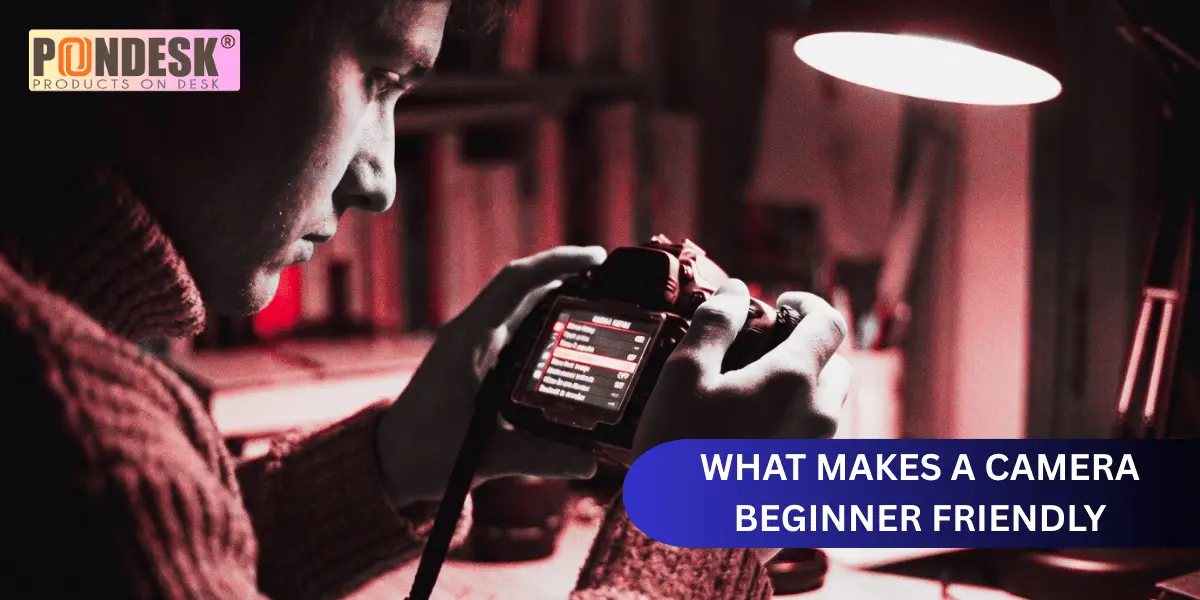
Easy controls and simple menus
Physical controls matter tremendously for beginners. Buttons and dials should feel intuitive, placed where fingers naturally rest. The camera is great when users can adjust common settings without diving through multiple menu screens. Touch-screen interfaces have revolutionized usability, allowing tap-to-focus and swipe gestures that feel familiar to anyone who's used a smartphone.
Menu organization separates good cameras from great ones. The best entry-level camera models use clear language instead of technical abbreviations. Settings are grouped logically, with frequently used options easily accessible. This thoughtful design means less time fumbling through options and more time actually taking photos.
Auto modes and learning support
Intelligent auto modes act like a built-in photography instructor. Modern cameras recognize scenes portraits, landscapes, sports, sunsets—and automatically optimize settings. This technology lets beginners focus on composition and timing rather than worrying about technical details.
However, a camera is great for beginners when it also encourages gradual learning. Semi-automatic modes like aperture priority or shutter priority allow control over one aspect while the camera handles the rest. Many 2026 models include guided shooting modes that explain settings in plain language, turning every photo session into a learning opportunity.
Image quality and price balance
Image quality separates real cameras from smartphone cameras, even at the entry level. Larger sensors capture more light, producing cleaner images with better dynamic range and more pleasing background blur. The difference becomes obvious when shooting indoors or any time lighting isn't perfect.
For most newcomers, an APS-C camera provides excellent image quality at a fraction of full-frame camera prices. Resolution between 20-26 megapixels delivers plenty of detail for social media, standard prints, and even moderate cropping during editing. The camera that packs the most value balances sensor size, resolution, and price.
Digital Camera Types for Beginners
Understanding different camera categories helps narrow choices based on needs, budget, and shooting style. Each type serves different purposes.
Compact digital cameras for everyday use
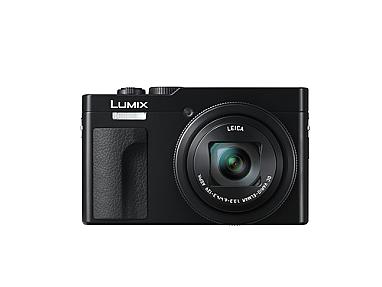
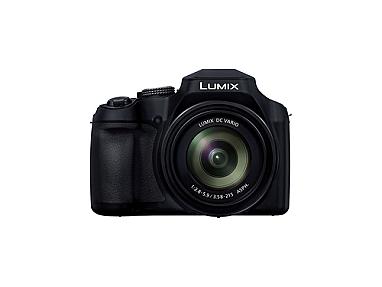
Point and shoot cameras remain popular for excellent reasons. These pocket-sized powerhouses deliver significantly better image quality than smartphones while maintaining convenience. The Lumix ZS99 point and shoot camera exemplifies modern compact design impressive optical zoom, good for beginners controls, and small enough for daily carry.
A point-and-shoot camera eliminates complexity. There's no lens changing, minimal settings to manage, and reliable automatic performance. The camera with a fixed lens approach means one less thing to learn, though it does limit creative flexibility. Modern point and shoot digital cameras often feature substantial zoom ranges—30x optical zoom or more making them versatile for travel and everyday photography.
Mirrorless digital cameras for skill growth
Mirrorless cameras represent the future of photography and offer the best growth potential for serious beginners. These systems eliminate the bulky mirror mechanism found in traditional DSLRs, creating lighter, more compact bodies while retaining interchangeable lens benefits. The Sony Alpha mirrorless camera kit and similar options combine portability with professional capabilities.
An APS-C mirrorless camera typically offers the best value for beginners. These cameras deliver excellent image quality, extensive lens options, and features that support learning. The electronic viewfinder shows exactly how the final image will look before pressing the shutter, making it easier to understand how settings affect results.
Camera bodies explained for first time users
Understanding camera bodies helps when researching options. The body is the main unit—everything except the lens. Terms like "body only" mean just the camera without a lens, while "camera kit" includes one or more lenses to get started.
For beginners, comfortable grip and intuitive layout matter more than specifications that sound impressive but rarely get used. Entry-level camera bodies focus on features that support learning and image quality rather than build materials that mainly matter for professional use in harsh conditions.
Mirrorless Camera vs Compact Camera for Beginners
Choosing between a compact camera and a mirrorless system represents the biggest decision for most beginners. Both have strengths, and the right choice depends on priorities.
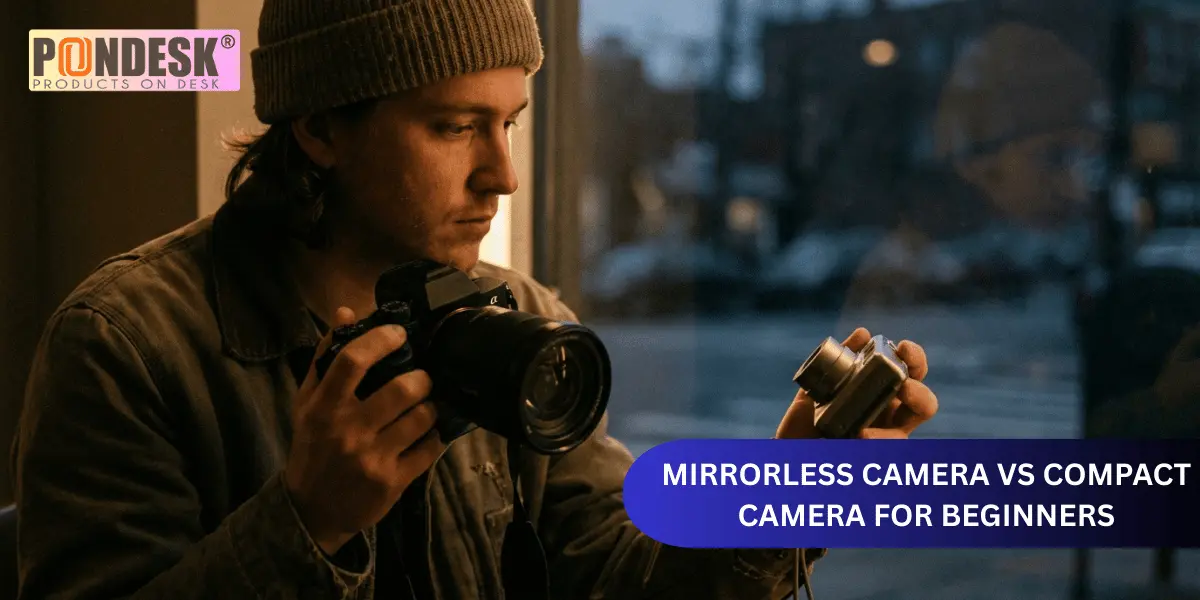
Strengths of compact cameras
Point-and-shoot cameras excel at convenience and simplicity. They're ready instantly no lens changes, no settings to adjust unless desired. This simplicity encourages regular use, and the best camera is ultimately the one that gets taken along and used frequently.
Compact cameras often include impressive zoom ranges impossible in interchangeable lens systems without bulky, expensive lenses. A camera for travel benefits from this all-in-one design. Price represents another advantage—quality compact cameras cost less than comparable mirrorless systems.
Advantages of mirrorless cameras
Mirrorless systems offer growth potential that compact cameras can't match. As skills develop, simply adding lenses expands creative possibilities without replacing the camera body. A camera with 16-50mm lens serves well initially, then a portrait lens or telephoto zoom opens new photographic opportunities.
Image quality typically surpasses compact cameras due to larger sensors. This advantage shows most clearly in challenging lighting. The great sensor from that camera captures more detail, handles high ISO settings better, and produces more pleasing background blur. For beginners serious about developing photography skills, this flexibility proves invaluable.
Choosing the right camera type
Deciding between compact and mirrorless cameras comes down to priorities. Choose compact when convenience and portability matter most, when budget is limited, or when simplicity appeals more than creative control. Select mirrorless when serious about learning photography, when planning to explore different subjects requiring different lenses, or when both photo and video capabilities matter.
Best Beginner Camera Features to Look For
Certain features separate excellent beginner cameras from merely adequate ones. Fast, accurate autofocus makes photography more enjoyable. Modern cameras track moving subjects and recognize faces, meaning more successful shots.
Image stabilization compensates for hand shake, allowing sharper photos at slower shutter speeds. Articulating screens make shooting from creative angles easier and work wonderfully for video recording. Touch screens speed up menu navigation and focus point selection.
Wi-Fi and Bluetooth enable instant photo sharing and remote camera control from smartphones. For beginners accustomed to smartphone convenience, wireless connectivity feels essential. Battery life matters too longer battery life means more shooting between charges.
Even photography-focused beginners often want video options. Look for 4k-video, microphone inputs for better audio, and video-specific features that help achieve proper exposure.
Cameras for Beginners Based on Use
Different photography interests require different camera strengths. Matching camera selection to intended use ensures satisfaction with the purchase.
Best beginner camera for photography
Photography-focused beginners should prioritize image quality, autofocus performance, and comfortable handling. The Canon EOS models in the entry-level range offer excellent sensors, reliable autofocus, and extensive lens selections. For static subjects like landscapes and portraits, sensor resolution and dynamic range matter most.
The camera for a budding photographer should feel natural in hand during extended shooting sessions. Ergonomics matter when spending hours with the camera.
Best beginner camera for video creation
Video demands different features than still photography. A vlogging camera needs a flip-out screen for monitoring while recording, quality autofocus that tracks subjects smoothly, and good stabilization for handheld shooting. Hybrid cameras excel at both stills and video. The Alpha 6100 mirrorless digital camera serves as a fantastic camera for both stills and video recording.
Important video features beginners need
4K video recording provides better quality and flexibility during editing. Continuous autofocus should track subjects smoothly without hunting. Face and eye detection in video mode helps maintain focus on people. An external microphone jack allows connecting better audio equipment, dramatically improving video quality.
Best Mirrorless Cameras for Beginner Photographers
The Sony Alpha 6100 combines excellent image quality with beginner-friendly controls. Its autofocus system rivals professional cameras. The Canon EOS M50 Mark II offers Canon's legendary color science and touchscreen controls that feel intuitive.
The Fujifilm X-M5 brings renowned color profiles and retro-inspired controls that make learning exposure more intuitive. The Nikon Z30 targets content creators specifically, with excellent video features.
Top 10 Best Cameras for Beginners in 2026 | Easy to Use Digital Cameras
Standing in front of countless camera options, completely confused about which one to pick? Every beginner photographer faces this overwhelming moment. The smartphone camera just isn't cutting it anymore, but diving into the world of professional photography gear feels intimidating.
Here's the relief: finding the best camera for beginners doesn't have to drain the wallet or require years of experience. Today's digital cameras are specifically designed for newcomers, packed with automatic settings, straightforward controls, and image quality that transforms ordinary snapshots into stunning memories. This guide walks through everything needed to make a confident first camera purchase.
Best Cameras for Beginners in 2026 Overview
The current generation of beginner-friendly cameras represents a sweet spot in photography technology. Prices have become more accessible while quality continues improving. The α6100 APS-C mirrorless digital camera from Sony stands out as a camera that delivers professional-grade images with controls that make sense from day one. Similarly, the Fujifilm X-M5 digital camera features intuitive menus and gorgeous color output that makes every photo pop.
What sets 2026 apart is how manufacturers have listened to beginners. Camera bodies now include guided modes, touch-screen interfaces, and wireless connectivity that feels natural for anyone comfortable with smartphones. Many camera offers bundle everything needed to start shooting the camera body, a versatile zoom-lens, memory cards, and sometimes even a carrying bag.
The best beginner options typically feature APS-C sensors, which strike an ideal balance between image quality and affordability. These cameras produce stunning results in various lighting conditions, handle both photography and video recording beautifully, and work with a wide range of affordable lenses.
Why Choosing the Right Camera Is Important for Beginners
Selecting the right starter camera shapes the entire photography journey. A poor choice leads to frustration—complicated menus that confuse, features that overwhelm, or image quality that disappoints. Conversely, the camera you should get as a newcomer becomes a patient teacher, encouraging experimentation while delivering rewarding results.
Budget plays a crucial role here. Overspending on advanced features that won't be used for months wastes resources. However, buying something too basic might mean upgrading within a year. The best camera for a beginner hits that perfect middle ground—affordable enough to feel like smart spending while capable enough to support several years of growth.
What Makes a Camera Beginner Friendly
Understanding what separates a fantastic camera for beginners from one that frustrates newcomers helps narrow down choices considerably.
Easy controls and simple menus
Physical controls matter tremendously for beginners. Buttons and dials should feel intuitive, placed where fingers naturally rest. The camera is great when users can adjust common settings without diving through multiple menu screens. Touch-screen interfaces have revolutionized usability, allowing tap-to-focus and swipe gestures that feel familiar to anyone who's used a smartphone.
Menu organization separates good cameras from great ones. The best entry-level camera models use clear language instead of technical abbreviations. Settings are grouped logically, with frequently used options easily accessible.
Auto modes and learning support
Intelligent auto modes act like a built-in photography instructor. Modern cameras recognize scenes—portraits, landscapes, sports, sunsets—and automatically optimize settings. This technology lets beginners focus on composition and timing rather than worrying about technical details.
However, a camera is great for beginners when it also encourages gradual learning. Semi-automatic modes like aperture priority or shutter priority allow control over one aspect while the camera handles the rest. Many 2026 models include guided shooting modes that explain settings in plain language.
Image quality and price balance
Image quality separates real cameras from smartphone cameras, even at the entry level. Larger sensors capture more light, producing cleaner images with better dynamic range and more pleasing background blur. For most newcomers, an APS-C camera provides excellent image quality at a fraction of full-frame camera prices. The camera that packs the most value balances sensor size, resolution, and price.
Digital Camera Types for Beginners
Understanding different camera categories helps narrow choices based on needs, budget, and shooting style.
Compact digital cameras for everyday use
Point and shoot cameras remain popular for excellent reasons. These pocket-sized powerhouses deliver significantly better image quality than smartphones while maintaining convenience. The Lumix ZS99 point and shoot camera exemplifies modern compact design—impressive optical zoom, good for beginners controls, and small enough for daily carry.
A point-and-shoot camera eliminates complexity. There's no lens changing, minimal settings to manage, and reliable automatic performance. The camera with a fixed lens approach means one less thing to learn. Modern point and shoot digital cameras often feature substantial zoom ranges—30x optical zoom or more—making them versatile for travel and everyday photography.
Mirrorless digital cameras for skill growth
Mirrorless cameras represent the future of photography and offer the best growth potential for serious beginners. These systems eliminate the bulky mirror mechanism found in traditional DSLRs, creating lighter, more compact bodies while retaining interchangeable lens benefits. The Sony Alpha mirrorless camera kit and similar options combine portability with professional capabilities.
An APS-C mirrorless camera typically offers the best value for beginners. These cameras deliver excellent image quality, extensive lens options, and features that support learning. The electronic viewfinder shows exactly how the final image will look before pressing the shutter.
Camera bodies explained for first time users
Understanding camera bodies helps when researching options. The body is the main unit—everything except the lens. Terms like "body only" mean just the camera without a lens, while "camera kit" includes one or more lenses to get started. For beginners, comfortable grip and intuitive layout matter more than specifications that sound impressive but rarely get used.
Mirrorless Camera vs Compact Camera for Beginners
Choosing between a compact camera and a mirrorless system represents the biggest decision for most beginners.
Strengths of compact cameras
Point-and-shoot cameras excel at convenience and simplicity. They're ready instantly—no lens changes, no settings to adjust unless desired. This simplicity encourages regular use, and the best camera is ultimately the one that gets taken along and used frequently. Compact cameras often include impressive zoom ranges impossible in interchangeable lens systems without bulky lenses. A camera for travel benefits from this all-in-one design.
Advantages of mirrorless cameras
Mirrorless systems offer growth potential that compact cameras can't match. As skills develop, simply adding lenses expands creative possibilities without replacing the camera body. A camera with 16-50mm lens serves well initially, then a portrait lens or telephoto zoom opens new photographic opportunities.
Image quality typically surpasses compact cameras due to larger sensors. The great sensor from that camera captures more detail, handles high ISO settings better, and produces more pleasing background blur.
Choosing the right camera type
Choose compact when convenience and portability matter most, when budget is limited, or when simplicity appeals more than creative control. Select mirrorless when serious about learning photography, when planning to explore different subjects requiring different lenses, or when both photo and video capabilities matter.
Best Beginner Camera Features to Look For
Certain features separate excellent beginner cameras from merely adequate ones. Fast, accurate autofocus makes photography more enjoyable. Modern cameras track moving subjects and recognize faces, meaning more successful shots.
Image stabilization compensates for hand shake, allowing sharper photos at slower shutter speeds. Articulating screens make shooting from creative angles easier and work wonderfully for video recording. Wi-Fi and Bluetooth enable instant photo sharing and remote camera control from smartphones.
Even photography-focused beginners often want video options. Look for 4k video, microphone inputs for better audio, and video-specific features that help achieve proper exposure.
Cameras for Beginners Based on Use
Different photography interests require different camera strengths.
Best beginner camera for photography
Photography-focused beginners should prioritize image quality, autofocus performance, and comfortable handling. The Canon EOS models in the entry-level range offer excellent sensors, reliable autofocus, and extensive lens selections. The camera for a budding photographer should feel natural in hand during extended shooting sessions.
Best beginner camera for video creation
Video demands different features than still photography. A vlogging camera needs a flip-out screen for monitoring while recording, quality autofocus that tracks subjects smoothly, and good stabilization for handheld shooting. The Alpha 6100 mirrorless digital camera serves as a fantastic camera for both stills and video recording.
Important video features beginners need
4K video recording provides better quality and flexibility during editing. Continuous autofocus should track subjects smoothly without hunting. Face and eye detection in video mode helps maintain focus on people. An external microphone jack allows connecting better audio equipment, dramatically improving video quality.
Best Mirrorless Cameras for Beginner Photographers
The Sony Alpha 6100 combines excellent image quality with beginner-friendly controls. The Canon EOS M50 Mark II offers Canon's legendary color science and touchscreen controls that feel intuitive. The Fujifilm X-M5 brings renowned color profiles and retro-inspired controls. The Nikon Z30 targets content creators specifically, with excellent video features.
Budget Friendly Cameras for Beginners
Photography doesn't require huge investments. The used camera market offers tremendous value. Previous-generation models often provide excellent performance at significantly reduced prices. When buying used, check shutter count and inspect for damage.
Camera kits bundle the body with lenses at prices lower than buying components separately. The typical camera with 16-50mm lens kit provides a versatile focal range perfect for learning. Last year's models perform nearly identically to this year's versions, yet cost significantly less. A value camera that fits budget allows spending on learning resources and accessories.
Camera Bodies and Lenses Explained for Beginners
Understanding the relationship between camera bodies and lenses helps beginners make smarter purchasing decisions.
How lenses change photo results
While camera bodies capture images, lenses determine what gets captured and how it looks. Different focal lengths create different perspectives. Wide-angle lenses capture expansive scenes, perfect for landscapes. Telephoto lenses bring distant subjects closer, ideal for wildlife and sports.
Aperture affects both light gathering and depth of field. Wide apertures create pleasing background blur and work well in low light. For beginners, mid-range lenses offer excellent performance at reasonable prices.
Lens types beginners should know
Standard zoom lenses provide versatile focal lengths covering most everyday situations. Prime lenses offer wider apertures and sharper images than zooms. A 50mm f/1.8 prime lens costs relatively little while dramatically improving low-light performance.
Telephoto zoom lenses in the 55-200mm range bring distant subjects closer. The optical zoom these lenses provide far surpasses digital zoom in quality. Starting with a standard zoom lens makes sense for most beginners.
How to Choose the Best Camera for Your Needs
| Your Main Use | Recommended Camera Type | Key Features to Look For |
|---|---|---|
| Family events | Mirrorless or Compact | Fast autofocus, good low-light, face detection |
| Travel photography | Compact or Mirrorless | Lightweight body, good zoom, strong battery |
| Portrait photography | Mirrorless | APS-C sensor, lens options, background blur |
| Landscape photography | Mirrorless | High image quality, wide-angle lens support |
| YouTube & vlogging | Mirrorless | Flip screen, 4K video, mic input |
| Beginner learning photography | Mirrorless | Easy menus, auto modes, future lens upgrade |
| Low budget users | Compact or older model | Affordable price, simple controls |
Essential Camera Accessories for Beginners
Fast, reliable memory cards prevent frustration. For 4k video and rapid shooting, choose quality cards. Battery life varies, but having spares means never missing shots. A padded camera bag safeguards the camera from bumps and weather.
A lens cleaning kit maintains image quality. Even beginners benefit from a tripod for landscapes and low-light photography. Screen protectors prevent scratches to the camera's LCD. These accessories needn't all be purchased immediately start with memory cards and a bag.
PonDesk: Your Trusted Camera Shopping Destination
Finding the right camera is just the first step, purchasing from a reliable source ensures getting genuine products, fair prices, and support when needed. PonDesk specializes in cameras for beginners and experienced photographers alike, offering carefully curated selections that remove the overwhelm from camera shopping.
At PonDesk, the focus remains on helping customers find exactly the camera they need without pushing unnecessary features or inflated budgets. The inventory spans all major categories compact cameras for everyday use, mirrorless systems for skill growth, and complete camera kit bundles.
Popular models like the Sony Alpha mirrorless camera kit, Canon EOS entry-level options, and Fujifilm's beginner-friendly cameras receive prominent placement. Beyond cameras, PonDesk stocks essential accessories, lenses, and learning resources. Whether purchasing a first camera or helping teens discover photography, PonDesk provides the expertise and selection that transform intimidating purchases into confident decisions.
Final Tips Before Buying Your First Digital Camera
Professional reviews provide technical analysis, but user reviews from other beginners often offer more relatable insights. Consider the total system cost that affordable camera body might seem like a bargain until factoring in lenses and accessories.
Don't obsess over specifications. A dslr camera is great when it feels good to use and produces images that bring joy. Start simple begin with the camera kit, a memory card, and perhaps a spare battery. Invest in learning through books, online courses, and YouTube tutorials.
Join photography communities for support and inspiration. Shoot regularly, as daily shooting builds familiarity faster than occasional sessions. Most importantly, have fun. Photography should bring joy.
Final Verdict for Beginner Cameras in 2026
The current camera landscape offers beginners unprecedented options balancing quality, affordability, and usability. Whether choosing a point and shoot camera for simplicity or a versatile camera that grows with developing skills, 2026 provides excellent choices across all budgets.
For maximum versatility and growth potential, APS-C mirrorless cameras represent the sweet spot. Models like the α6100 APS-C mirrorless digital camera provide professional image quality, extensive creative control, and compatibility with affordable lens options.
Budget-conscious shoppers find tremendous value in previous-generation models or compact cameras from reputable brands. The camera that delivers satisfaction isn't always the newest or most expensive it's the one matching needs, budget, and comfort level while encouraging regular use.
Choose based on intended use, start with a versatile kit, and invest time in learning. The best camera for beginners is the one that inspires picking it up and discovering the world through a lens. Want a camera that transforms how the world is seen? The perfect starter camera awaits.


Comments (0)