Top 1U Rack Server Deals for your Business in 2026
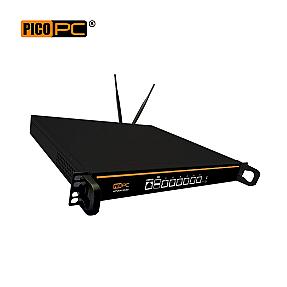
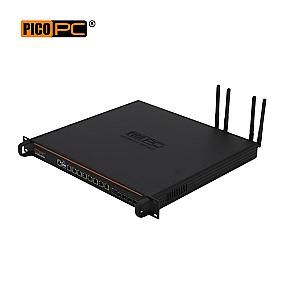
Product Code: NSHO-005
Intel® Core™ i7-9700 8 LAN 4 10Gig SFP+ 4G 1U Rackmount Server SD-WAN Netw...
$1,159.99
$1,304.99
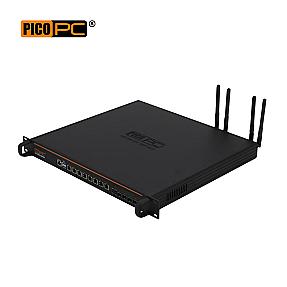
Product Code: NSHO-006
Intel® Core™ i5-9600 8 LAN 4 10Gig SFP+ 4G 1U Rackmount Server SD-WAN Netw...
$1,000.49
$1,145.49
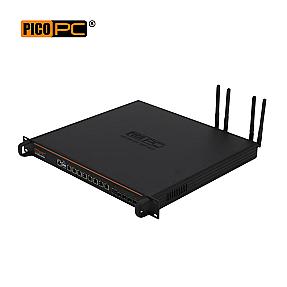
Product Code: NSHO-007
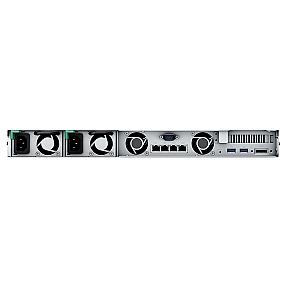
Intel Core i3-9100 SD-WAN 8 LAN 4×10G SFP+ 1U Rackmount Server Network App...
$840.99
$985.99
Product Code: NSHO-015
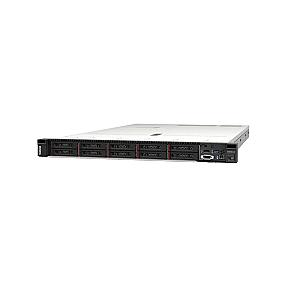
Lenovo ThinkSystem SR630 V2 7Z71 Xeon Silver 4314 16 Cores 32GB 1U Rack Se...
Product Code: NSHO-016
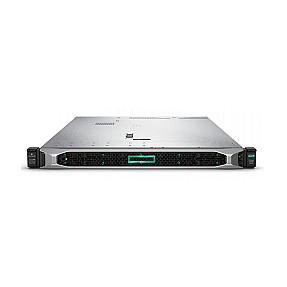
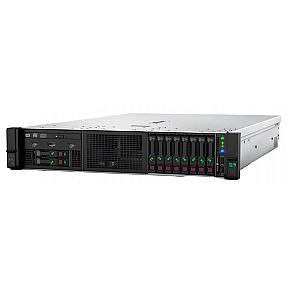
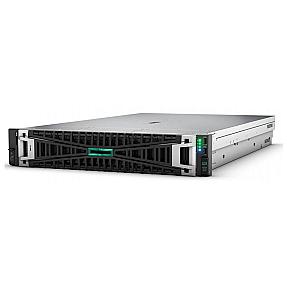
HPE ProLiant 380 Gen 10 Xeon-S 4208 8 Cores 32GB 8 x SFF SAS/SATA 2U Serve...
Product Code: NSHO-018
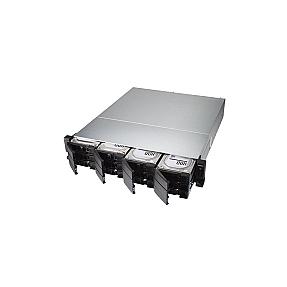
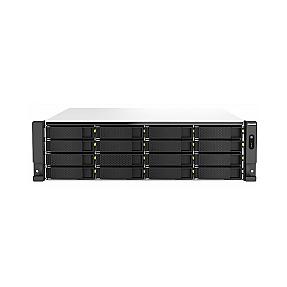
QNAP TS-H1886XU-RP-R2 Intel Xeon D-1622 18xBay 4x2.5GbE 10G SFP+ 2U Server...
Running a business today means your systems must stay online all the time. Slow hardware or downtime costs money and trust. A 1u rack server solves this problem by giving you strong performance inside very small rack space. You get reliable processing power, better energy efficiency, and easy scaling without filling your server room. Whether you run cloud computing, AI inference, or daily business apps, modern rack servers from 1U help you build a stable setup. This collection focuses on proven hardware, smart UPS protection, and scalable solutions built for USA vloggers, creators, and growing businesses.
1U Rack Servers Rackmount Server
A 1u rack server is built to save space while delivering serious compute performance. Each unit uses only one rack unit, equal to 1.75 inches in height, which lets you install multiple servers inside a single server rack. You get enterprise features without moving to bulky 2u rack server or 4u rackmount systems.
Modern 1u rackmount server setups support virtualization, cloud workloads, and high-performance computing. Many small businesses move from a tower server to rack mount server solutions because management becomes easier.
In this collection, you can build a reliable rack mount setup using systems like the Lenovo ThinkSystem SR630 V2 together with Eaton or APC Smart-UPS protection for stable uptime and safe operation.
1U Rackmount Server for Business Use
Businesses need systems that run nonstop. A 1u rackmount server gives you reliable processing power while keeping your equipment rack organized. You can mount networking gear, UPS units, and storage server hardware in the same rack.
For example, pairing the Lenovo ThinkSystem SR630 V2 with Eaton 5P or Vertiv Liebert Edge UPS units protects your workload from power failure. This matters if you run video editing, hosting, or client platforms.
Servers offer strong scalability for SMB environments. You can start small and add multiple servers later without changing your rack space design. Many data center servers follow this same structure because it keeps maintenance simple and predictable.
1U Rack Server with Intel Xeon Processor
Intel Xeon systems remain a top choice for professional compute tasks. The Lenovo ThinkSystem SR630 V2 uses an Intel Xeon Silver processor designed for virtualization and enterprise workloads.
Xeon CPUs support ECC memory, which helps prevent crashes caused by data errors. That makes them ideal for AI inference, cloud computing, and database hosting.
Typical advantages include:
- Stable dual-socket support options
- High processing power for compute workloads
- Reliable performance for high-performance computing
- Better uptime in data center environments
If you configure a 1u server for editing servers for AI or heavy multitasking, Xeon processors handle continuous workloads better than consumer CPUs.
AMD EPYC and Ryzen 1U Rackmount Servers
AMD platforms continue to grow in rack servers. AMD EPYC processors deliver strong core counts for scalable environments, while AMD Ryzen works well for SMB and edge compute setups.
An AMD EPYC 1u rack server fits workloads such as HPC, virtualization, and inference engines. Ryzen systems often power lightweight GPU server or industrial computer setups where energy efficiency matters.
Compared with older systems, AMD options help you reduce power usage while keeping high performance computing capabilities. Many server configurator tools now allow easy switching between Intel and AMD platforms depending on your workload needs.
If your workload grows later, you can expand into servers from 1U to 5U without redesigning your rack mount layout.
1U Rack Server with NVMe and SSD Storage
Storage speed directly affects performance. Modern 1u rack servers support NVMe drives, M.2 slots, and enterprise SSDs for fast data access.
The QNAP TS-433eU 1U NAS works well as a storage server alongside compute hardware. It provides reliable shared storage for video projects, backups, or cloud workflows.
Benefits of NVMe and SSD storage include:
- Faster boot and application loading
- Better AI inference performance
- Smooth virtualization operations
- Reduced latency for compute tasks
Hot data runs on NVMe while larger backups stay on SSD arrays. This setup helps servers deliver consistent performance without needing larger 3u rack or 4u rack servers.
Short Depth 1U Rackmount Server Solutions
Not every workspace has a full data center. Short depth servers solve this issue. A short-depth server fits shallow cabinets, wall mounts, or mobile production racks used by creators and vloggers.
Networking devices like the Ubiquiti Dream Machine Special Edition and Cisco Catalyst switches are excellent short depth solutions. They install easily in compact equipment rack setups.
Short depth servers help when:
- Your server room space is limited
- You use portable racks for events
- You run edge computing setups
- You install hardware in offices instead of data centers
You still get rackmount flexibility without needing deep enterprise cabinets.
Supermicro and HPE 1U Rack Servers
Brands matter when uptime matters. Supermicro and HPE systems are widely used across data center servers because they balance scalability and reliability.
While this collection highlights Lenovo hardware, it follows the same enterprise standards used by Supermicro and HPE designs. These platforms support PCIe slots, expansion cards, GPU acceleration, and advanced cooling.
Many businesses mix vendors inside one rack. For example, a Lenovo compute server, Cisco network switch, and APC Smart-UPS Ultra can operate together smoothly. This hybrid approach improves scalability while avoiding vendor lock-in.
Scalable 1U Rack Server with PCIe Support
Expansion flexibility keeps your system future-ready. PCIe slots allow you to add GPU cards, fast networking adapters, or storage controllers.
A scalable 1u rack mount server supports:
- GPU server upgrades for AI workloads
- High-speed networking cards
- NVMe expansion cards
- RAID controllers for storage server builds
As your workload grows from simple hosting to AI or HPC processing, PCIe expansion lets you upgrade without replacing the entire system. This saves cost compared to moving immediately into larger 2u rackmount or 4u rackmount platforms.
1U Storage Server with Hot Swap Bays
Storage reliability matters when your business depends on data. A 1u storage server with hot-swap bays allows you to replace drives without shutting down the server.
The QNAP rackmount NAS provides easy bay access and stable backup management. Hot-swap capability reduces downtime and protects ongoing workloads.
Real example: if a drive fails during video rendering, you swap the bay instantly while the server continues running.
This design supports:
- Continuous cloud computing operations
- Backup automation
- Media storage workflows
- SMB file sharing environments
Hot-swap storage keeps your infrastructure always available.
Rackmount Server Cases and Server Rack Setup
Choosing the right case and rack mount layout improves airflow and maintenance. A proper server rack setup includes compute servers, UPS protection, switches, and storage units aligned vertically.
UPS options in this collection include:
| Device | Purpose | Use Case |
|---|---|---|
| Eaton 5P1150IRG2BS | Power backup | Business servers |
| Vertiv Liebert Edge Series | Stable power | SMB racks |
| APC Smart-UPS Ultra | Online protection | Critical workloads |
A good setup protects against power loss and keeps servers deliver consistent uptime. Always leave airflow space between devices for cooling efficiency.
1U Rack Server and Rack Mountable Systems
A modern rack mount server rarely works alone. You combine multiple rack mountable devices to build a complete infrastructure.
Typical rack stack example:
- Lenovo ThinkSystem compute server
- Dell Mini server
- Cisco Catalyst managed switch
- Ubiquiti UniFi PoE networking
- APC or Eaton UPS backup
- QNAP storage server
This layered system supports virtualization, AI inference, and cloud services in one rack. Compared with tower server setups, rackmount systems simplify cable management and scaling.
1U Server Rack Size and Dimensions Guide
Understanding size helps you plan rack space correctly. A 1u server equals one rack unit, which measures 1.75 inches in height.
Here is a simple comparison:
- 1U: compact compute systems
- 2U rack server: more cooling and expansion
- 3U rack: storage heavy systems
- 4U rackmount: GPU or HPC builds
If you run multiple servers, calculate total rack units before buying hardware. This prevents overcrowding and improves airflow inside the server room.
1U Server Rack Case and Mount Options
Mount options affect stability and accessibility. Most 1u rackmount systems include sliding rails for easy servicing. Some UPS models also support rack or tower conversion.
For example, APC Smart-UPS Ultra models can mount in rack or stand vertically depending on your setup. This flexibility helps small businesses adapt without changing hardware.
Common mount choices include:
- Fixed rack mount rails
- Sliding rails for maintenance
- Wall mount brackets
- Short depth mounting kits
Choose mount hardware based on rack depth and equipment weight.
1U Server Rack Shelf and Equipment Rack Setup
A rack shelf helps when devices are not fully rack mountable. You can place routers, small industrial computer devices, or accessories safely inside the equipment rack.
Many businesses use shelves for backup devices or testing hardware while main servers stay mounted. Combining shelves with managed switches like Cisco Catalyst or NETGEAR GSM4230UP keeps your layout clean.
A smart rack setup includes power protection, networking, storage, and compute aligned together. This approach supports scalability and keeps your infrastructure ready as your workload grows from basic hosting to high-performance computing or AI systems.