Best Power Bank for Camping
Product Code: PBEL-479
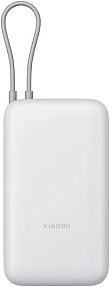
Xiaomi PB2020MI Power Bank 20000 (Integrated Cable) 13000mAh (5V) Rated Ca...
If you're shopping for a power bank for camping, the first thing to accept is that the biggest number on the box isn't always the right answer. A power bank that's great for a festival weekend can be dead weight on a two-day hike, and a compact phone-only charger won't cut it if you're running a camera, a GPS unit and a laptop from the same tent. This guide walks through what actually matters, so you can match the pack to the trip instead of guessing.
What to Look For in a Power Bank for Camping
Start with two questions: what are you charging, and how many nights will you be away from a plug socket? Everything else, capacity, weight, ports, follows from those two answers.
For a short overnight or a single day hike, a compact bank in the 10,000mAh range is usually enough for a phone plus light use of a torch or watch. For a weekend away, most campers land on 20,000mAh, which covers several phone top-ups with room for a set of earbuds or a GPS device. Multi-day trips off-grid, especially ones involving a camera or a laptop, tend to call for 25,000mAh or more.
Don't stop at capacity. A power bank that takes eight hours to refill at the campsite tap point or car socket is a problem on a longer trip, so check the input charging speed (look for 30W or higher). And if you're travelling with checked luggage on any leg of the journey, note that airlines cap carry-on batteries at 100Wh, roughly 27,000mAh at standard voltage, and won't allow them in the hold at all.
Capacity Explained: mAh vs Wh (and How Much You Actually Need)
Most power banks are labelled in mAh, but that number alone can mislead you. mAh measures electric charge, while watt-hours (Wh) measure the actual usable energy, and Wh is what airlines and serious buyers care about. The rough conversion is Wh = (mAh × voltage) ÷ 1,000, using 3.7V for most lithium-ion cells. So a 20,000mAh bank works out to around 74Wh on paper.
In real-world use, expect to get roughly 60-75% of that rated figure once conversion losses are accounted for. That means a 20,000mAh power bank realistically delivers three to four full phone charges, not the four or five the headline number implies. If you're planning devices with bigger batteries, cameras, drones, small laptops, size up accordingly rather than trusting the number on the box at face value.
Key Features That Matter Outdoors
A handful of features separate a decent power bank for camping from one that lets you down on a wet weekend:
- Weight versus capacity. A 10,000mAh bank typically weighs 200-250g, while 25,000mAh models can push past 600g. If you're hiking any real distance, weigh this against how much charge you actually need.
- Port count and type. USB-C Power Delivery is the standard to look for, especially if you're charging a laptop or tablet alongside a phone. Multiple ports matter if you're sharing power across a group.
- Weatherproofing. UK camping means rain, mud and damp kit bags are the default, not the exception. An IP-rated, water-resistant build is worth prioritising over a marginally bigger battery, or keep a non-rated bank in a dry bag as a workaround.
- Safety certification. Look for clear CE or UKCA markings and stated protection against overheating, overcharging and short circuits. It's a lithium battery, and cutting corners here isn't worth the saving.
- Solar panels are mostly marketing. A built-in solar panel on a small power bank produces around 0.5-1W in direct UK sun, which means fully charging a 20,000mAh bank from solar alone could take well over 100 hours. Treat solar as a minor top-up feature, not a charging plan.
Which Power Bank Suits Your Trip?
Not every camping trip needs the same setup:
- Day hikes and single overnights: a slim 10,000mAh bank, prioritising low weight over raw capacity.
- Weekend trips and festivals: 20,000mAh with USB-C PD is the sweet spot most campers settle on, balancing charge count against pack weight.
- Multi-day, off-grid trips: 25,000mAh and above, ideally with fast USB-C input so a car charger or campsite socket can top it up quickly when you get the chance.
- Campervan or basecamp setups: where weight matters less, a higher-capacity power station with multiple high-wattage outputs makes more sense than a pocket-sized bank.
Why Buy Your Camping Power Bank from PonDesk
PonDesk sources power banks through verified channels, so what you're buying matches the spec on the page, not an inflated headline number with no real-world backing. Pricing is kept competitive against the wider UK market, and every order ships with free UK delivery, so there's no surprise cost added once a genuinely useful capacity is on your doorstep in time for the trip.
Shop Power Banks for Camping at PonDesk
Here's the current range, from slim phone-first packs to laptop-capable units for longer trips off-grid:
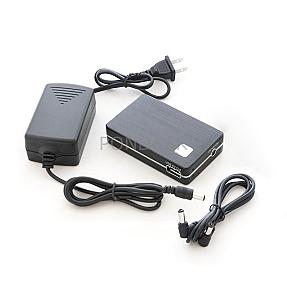
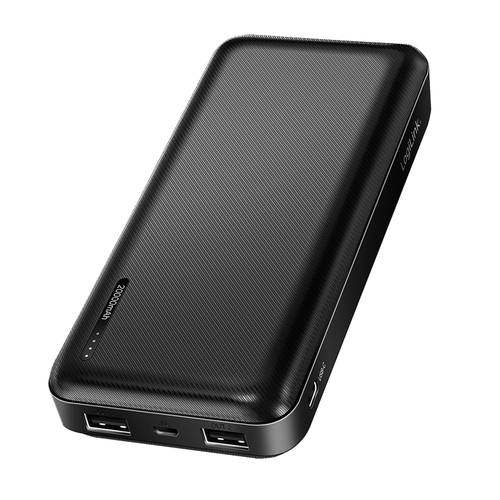
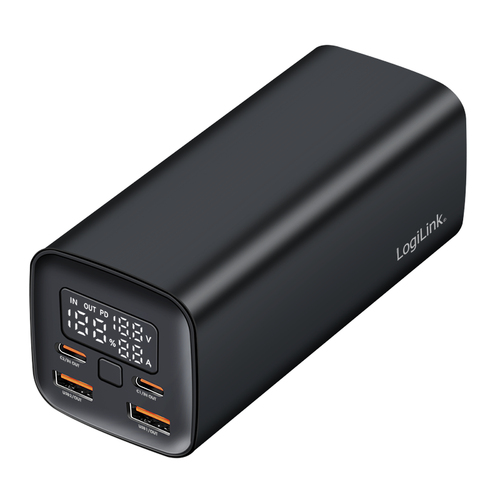
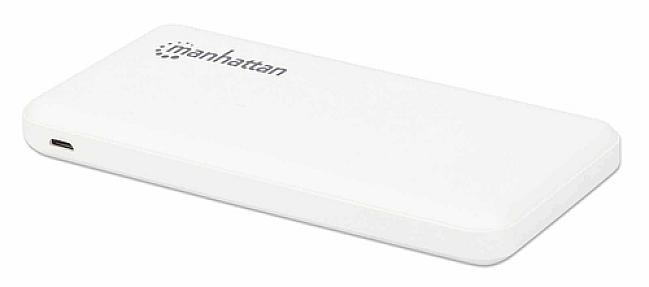
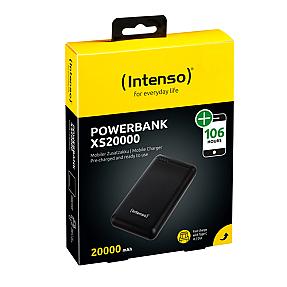
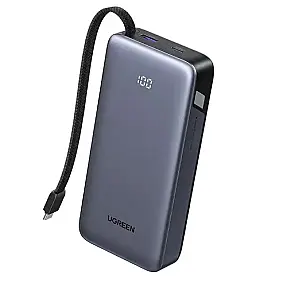
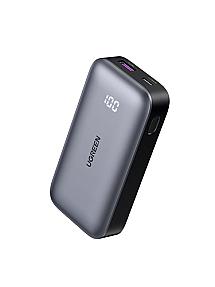
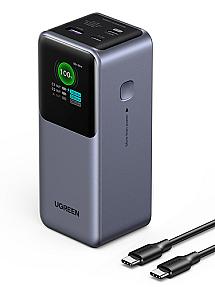
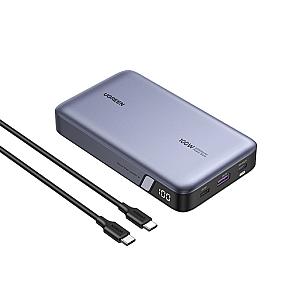
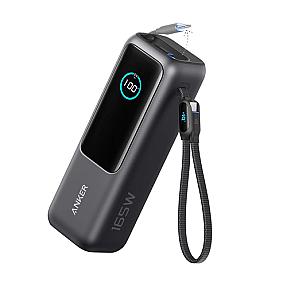
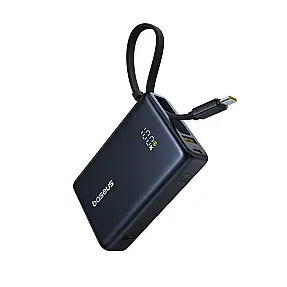
For a weekend camping trip, the 20,000mAh models with 45-130W USB-C output (Ugreen PB536, Ugreen Nexode, Baseus Blade) give the best balance of charge and recharge speed. If you're also charging a laptop, the Belkin Ultra Charger Pro or Anker 25000mAh 165W unit have the headroom for it. For lightest-pack day hikes, the Ugreen 10,000mAh Mini or Manhattan 10,000mAh are the ones to look at first.
How many mAh do I need for a camping trip?
For a weekend, 20,000mAh is generally enough to cover a phone plus one or two smaller devices. Multi-day or off-grid trips are safer with 25,000mAh or above, particularly if a camera or laptop is involved.
Is a solar power bank worth it for camping in the UK?
Not as a primary charging method. UK sunlight rarely produces more than 1W through a small built-in panel, so a full charge from solar alone can take days. A larger dedicated solar panel does better, but for most trips a pre-charged power bank is the more realistic plan.
Can I take a power bank on a flight to a camping destination?
Yes, within limits. Power banks must go in carry-on luggage, not checked bags, and airlines generally cap capacity at 100Wh (around 27,000mAh) without special approval.
Does a power bank need to be waterproof for camping?
It doesn't have to be IP-rated, but UK camping conditions make it a strong advantage. If your chosen bank isn't water-resistant, a simple dry bag or zip-lock bag is a cheap and effective workaround.
What's the best power bank for camping?
For most UK camping trips, a 20,000mAh USB-C Power Delivery power bank offers the best balance of charge capacity and pack weight, enough for a weekend of phone, GPS and light device use. Multi-day or off-grid trips are better served by 25,000mAh or higher, ideally with fast charging input and some level of water resistance.