500GB SSD
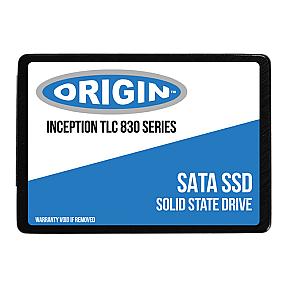
Product Code: UDHO-1003
Origin Storage Inception TLC830 Pro Series 500GB 2.5in SATA III 3D TLC SSD...
$73.99
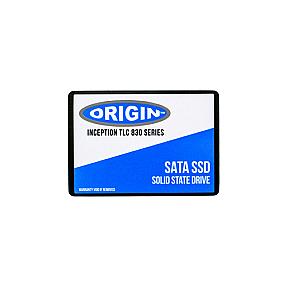
Product Code: UDHO-1100
Origin Storage 500GB TLC SSD Latitude E4300 2.5in SSD SATA MAIN/1ST BAY 55...
Product Code: UDHO-1129
Origin Storage SSD 500GB TLC 3.5 inch (8.89cm) SATA2 512 GB 550 MB/s 6 Gbi...
$106.99
Product Code: UDHO-1843
Origin Storage 500 GB 2.5″ SATA TLC SSD – 550 MB/s Read, 6 Gb/s, Laptop Gr...
Product Code: UDHO-1844
Origin Storage 500 GB 2.5″ SATA SSD Kit – TLC, 550 MB/s Read, 6 Gb/s Inter...
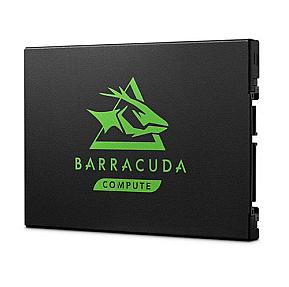
Product Code: UDHO-1954
Seagate BarraCuda 120 500GB 2.5" SATA SSD 560MB/s 6G High-Speed Reliable S...
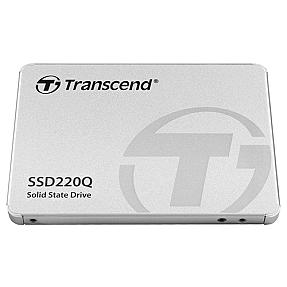
Product Code: UDHO-2394
Origin Storage 1TB Dual SATA Kit 512GB SSD + 500GB HDD with Cables Fast 55...
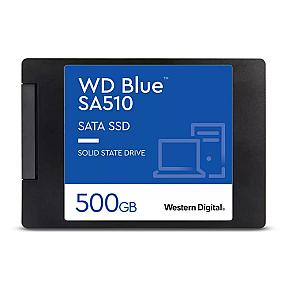
Product Code: UDHO-358
Western Digital Blue SA510, 500 GB, 2.5", 560 MB/s, 6 Gbit/s SATA SSD
$197.99
If you're sourcing a 500GB SSD for your UK business, the choice comes down to three things: interface (SATA or NVMe), endurance rating, and how the supplier handles bulk orders. This guide walks through all three, so a fleet refresh, a server upgrade, or a one-off replacement drive doesn't turn into a procurement headache.
Is 500GB Enough for a Business PC?
For most office workloads, yes. A 500GB SSD comfortably handles Windows or macOS, an office suite, browser caches, and several years of documents and spreadsheets. It's the point where teams stop worrying about disk space day to day.
Where it gets tight is video editing, large local databases, CAD files, or VM images. If your team works with those regularly, size up to 1TB or 2TB. For standard admin, finance, sales, or reception machines, 500GB is the sweet spot between cost and headroom.
SATA or NVMe: Which One Does Your Business Actually Need?
This is the first fork in the road, and it's mostly about the machines you're upgrading, not raw speed.
SATA SSDs (2.5-inch) are the safe default for general office use. They fit almost any desktop or laptop from the last decade, cost less per drive, and deliver read/write speeds of around 500-560MB/s, which is more than enough for spreadsheets, email, and everyday applications.
NVMe SSDs (M.2 form factor) plug directly into the motherboard and run several times faster, often 3,000MB/s or higher. They're worth the extra spend for design teams, developers compiling code, or anyone regularly moving large files. If the machines you're upgrading don't have an M.2 slot, though, NVMe isn't an option at all.
The quick rule: check your existing hardware first. Retrofitting older office PCs almost always means SATA. New machines with a free M.2 slot can go either way, and NVMe is the better long-term pick if budget allows.
What to Check Before You Order in Bulk
Buying one drive for your own laptop is simple. Buying twenty or two hundred for a fleet refresh needs a bit more scrutiny.
- TBW (Terabytes Written): this is the endurance rating, how much data the drive can write over its life before wear becomes a concern. Entry-level SATA drives typically sit around 150-300 TBW, which is fine for standard office use. If drives will run write-heavy workloads (logging, databases, constant file transfers), look for higher-rated units.
- NAND type: TLC is the standard, balanced choice for business drives. QLC is cheaper but wears faster under sustained writes, so it's better suited to light, read-heavy machines than anything doing constant read/write cycles.
- Warranty length: most business-grade SSDs carry a 3 to 5-year warranty. For a fleet deployment, consistent warranty terms across every unit matter more than chasing the cheapest per-drive price.
- Batch consistency: when you're ordering in volume, you want every drive from the same batch or spec sheet, not a mixed lot of whatever's in stock. This avoids compatibility surprises across your fleet.
- Form factor fit: confirm 2.5-inch SATA vs M.2 NVMe against the actual machines you're deploying to before placing a bulk order, not after the drives arrive.
SSD for Business vs Personal Use: What Actually Changes
A 500GB SSD bought for a home PC and one bought for a business rollout can be the exact same drive, but the buying process should look different.
For a single personal machine, you're mostly checking form factor and price. For a business order, you're also thinking about:
- Consistent specs across every unit, so your IT team isn't troubleshooting five different drive behaviours across the fleet
- Documentation and invoicing for asset registers and expense records
- Warranty that's easy to claim on, since a failed drive on a work machine costs more in downtime than the drive itself
- A supplier that can repeat the order, rather than a one-off listing that's gone next quarter
None of this changes the underlying technology. It changes who you buy from and how you order.
Why Buy Your 500GB SSDs from PonDesk
PonDesk sources genuine, verified SSD stock and prices it competitively for UK buyers, whether you're ordering a single drive or restocking for a fleet refresh. Every unit is backed by manufacturer warranty, and UK orders come with free delivery, so there's no hidden cost tacked on at checkout. For businesses ordering in volume, PonDesk can also handle repeat orders against the same spec, which keeps your fleet consistent without re-sourcing every time.
Is a 500GB SSD enough for a business laptop?
For most office work, yes, it comfortably covers the OS, applications, and years of documents. If your team regularly handles large media files, local databases, or VM images, 1TB gives more breathing room.
Should a business choose SATA or NVMe SSDs?
SATA is the safer, cheaper default for general office machines and fits far more hardware. NVMe is faster and worth it for design, development, or data-heavy roles, but only if the machine has a free M.2 slot to use it.
What's a good TBW rating for a business SSD?
For standard office use, 150 TBW or higher is generally sufficient. Write-heavy roles like logging or database work should look for drives rated well above that.
Is it cheaper to buy SSDs in bulk for a fleet upgrade?
Usually, yes, per-unit pricing tends to improve with order volume, and buying from one supplier keeps specs and warranty terms consistent across every machine rather than piecing together drives from different batches.
Do enterprise SSDs cost significantly more than standard business drives?
They can, since they add features like power-loss protection and higher sustained endurance. For general office PCs, a standard business-grade SATA or NVMe drive is usually enough; enterprise-grade units are worth the premium mainly for servers and 24/7 workloads.
For most UK businesses, a 500GB SATA SSD with a 3-year-plus warranty and 150+ TBW covers day-to-day office work reliably. Step up to NVMe or higher TBW only if your team's workload genuinely demands it.