In today’s world of smart homes, Wi-Fi security cameras and smart video doorbells have become an essential part of protecting our families. From monitoring deliveries and keeping an eye on kids to deterring burglars, these home surveillance systems give us peace of mind. But as I started exploring the latest technology for my own home, I came across one troubling question that many people search for online: Can home cameras really be hacked without you knowing? This personal concern led me to research deeper into how secure our smart cameras truly are, and what steps we can take to ensure our privacy and safety.

How Home Cameras Work?
Home surveillance systems, whether standalone CCTV units or internet-connected smart cameras, generally function by transmitting video feeds either locally or over the internet. Smart cameras often allow remote access through mobile apps, cloud storage, and live streaming. While these features provide convenience, they also open potential entry points for hackers.
How Hackers Exploit Vulnerabilities
Hackers can compromise home cameras in several ways:
-
Weak Passwords: Many people use default passwords or simple, guessable combinations. Hackers can easily exploit these weak security settings.
-
Unsecured Networks: If your Wi-Fi lacks proper encryption (such as WPA3 or at least WPA2), intruders can gain access to all connected devices, including cameras.
-
Outdated Firmware: Camera manufacturers release firmware updates to patch security flaws. If users fail to update, hackers can exploit known vulnerabilities.
-
Attacks: Hackers may trick homeowners into revealing login credentials through fraudulent emails or links.
-
Exposed Cloud Services: Some smart cameras store footage on cloud servers. If these servers are not properly secured, hackers may access sensitive video feeds.

Signs Your Camera May Be Hacked
While hackers try to remain undetected, certain warning signs can alert you:
-
Unfamiliar movements of the camera lens.
-
Strange sounds or voices from two-way audio features.
-
Increased data usage on your home network.
-
Difficulty accessing the camera when you normally could.
-
Sudden changes in camera settings without your input.
Real-World Incidents
There have been numerous reports of hacked cameras. In several cases, parents discovered strangers speaking through baby monitors to their children. Other incidents involved hackers selling access to compromised security cameras on the dark web. These cases highlight the very real and present danger.
Protecting Your Home Cameras
Fortunately, there are effective measures to secure your surveillance system:
-
Use strong, unique passwords and enable two-factor authentication (2FA).
-
Keep your firmware and software updated regularly.
-
Ensure your Wi-Fi network uses strong encryption protocols and avoid public access points.
-
Place cameras on a separate network (such as a guest Wi-Fi) to limit exposure.
-
Disable features you do not use, such as remote viewing or microphone access.
-
Regularly audit your connected devices to ensure no unknown logins exist.
Recommended Security Solutions for Your Home
If you are concerned about the possibility of your cameras being hacked, investing in trusted devices with strong built-in encryption and advanced privacy protections is essential. Two standout products provide reliable, hack-resistant security features:
-
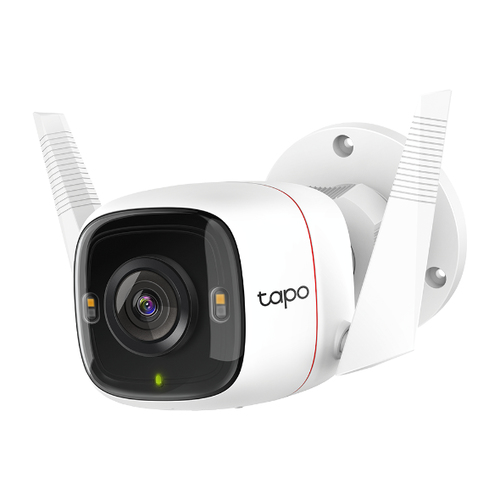
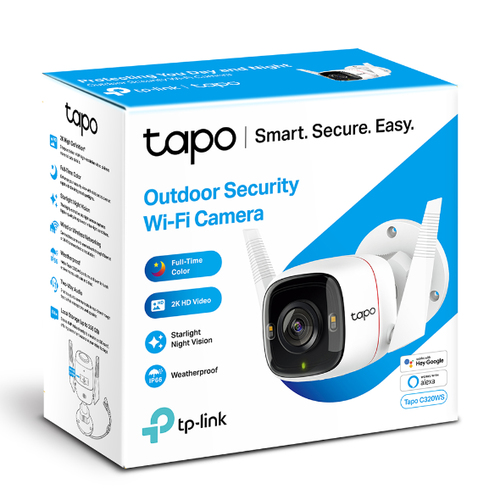
TP-Link Tapo Security Wi-Fi Camera Indoor/Outdoor Wireless
This advanced Wi-Fi camera is designed for both indoor and outdoor use, giving you complete flexibility to monitor your home. With high-definition video quality, motion detection alerts, and night vision capabilities, it ensures you never miss important activity around your property. Its robust encryption and secure cloud storage make it far less vulnerable to hacking attempts, giving you peace of mind that your data remains private.
-
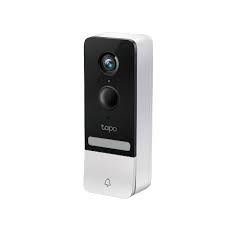
TP-Link Tapo Smart Battery Video Doorbell 5MP IR Night Vision Wireless
This smart video doorbell not only provides crystal-clear 5MP video but also employs advanced security protocols to protect against unauthorized access. With infrared night vision, a long-lasting battery, and smart motion alerts, it is designed to keep your entryway safe while ensuring your footage remains secure. Its encrypted communication channels make it an excellent choice for those worried about hackers.
By integrating these two devices, you significantly reduce the chances of unnoticed activity around your home. Both products are engineered with advanced security features to resist common hacking methods, making them some of the safest options for protecting your home.
The Balance Between Security and Privacy
Home cameras provide undeniable benefits, but they also raise questions about privacy. The very tool designed to make your home safer could become a window for intruders if not secured properly. Choosing devices with strong encryption, like the TP-Link Tapo range, ensures your safety without compromising your privacy.
Conclusion
Yes, your home cameras can be hacked without you knowing—but this risk is not inevitable. By following strong security practices, staying informed, and proactively updating your systems, you can greatly reduce the likelihood of intrusion. Moreover, investing in advanced and secure devices like the TP-Link Tapo Wi-Fi Camera and the Tapo Smart Battery Video Doorbell ensures that your surveillance is both effective and resilient against hacking attempts.
Frequently Asked Questions (FAQs)
1. Can all Wi-Fi home cameras be hacked?
Not all Wi-Fi cameras are equally vulnerable. Cameras with strong encryption, updated firmware, and advanced security protocols are much harder to hack compared to outdated or low-quality devices.
2. How do I know if my home camera has been hacked?
Look out for unusual signs such as strange noises, unfamiliar camera movements, sudden setting changes, or unexplained spikes in your internet usage.
3. Are wired CCTV cameras safer than wireless cameras?
Wired CCTV cameras are generally harder to hack remotely since they are not connected to the internet. However, they may still be vulnerable if connected to unsecured networks.
4. What is the safest home security camera I can buy?
Devices with strong encryption, two-factor authentication, and secure cloud storage are safest. Products like the TP-Link Tapo Wi-Fi Camera and Tapo Smart Battery Video Doorbell are excellent choices due to their robust security features.
5. How can I secure my home camera against hackers?
Use strong, unique passwords, enable 2FA, update firmware regularly, use encrypted Wi-Fi networks, and disable features you don’t need.
6. Do smart video doorbells pose the same risk as cameras?
Yes, smart video doorbells are also vulnerable if not properly secured. However, models with advanced security protocols, like the TP-Link Tapo Smart Battery Video Doorbell, minimize these risks.
7. Is cloud storage safe for security footage?
Cloud storage can be safe if the provider uses strong encryption and security standards. Always choose reputable brands that prioritize user privacy and data protection.

Comments (1)