Imagine this: you’re in the middle of an important video call with your manager. The presentation is going perfectly, until suddenly, the screen freezes. Or maybe you’re just one strike away from winning a competitive online game, and then lag hits. At that moment, it doesn’t matter how powerful your PC is or how fast your internet package claims to be—your connection fails you.
This is where the unsung hero of your digital life comes in: the network card.
Often overlooked, network cards quietly do the heavy lifting behind every smooth stream, flawless call, and lag-free game. They are the bridge between your device and the online world, ensuring that data flows quickly, securely, and without interruption.
In the past, a standard Ethernet port was enough. But today—when we juggle remote work, cloud computing, online classes, high-definition streaming, IoT devices, and next-gen gaming—we need something stronger. Modern network cards are no longer just “add-ons.” They are performance enhancers that give your devices the speed, reliability, and future-proofing they need.
In this article, we’ll explore the power of modern LAN, SFP, WiFi, 4G, and 5G network cards, and how the right upgrade can completely transform the way you work, play, and connect.
Why Network Cards Matter
Think of network cards as the bridge between your computer and the digital world. The better the bridge, the smoother the journey. With the rise of remote work, online gaming, streaming, IoT devices, and cloud computing, having the right card ensures:
-
Faster speeds for gaming, video calls, and large file transfers.
-
Stronger stability to avoid disconnections during critical tasks.
-
Future-proofing with advanced wireless (5G/WiFi 6E) or fiber solutions.
-
Scalability for both personal and enterprise use.
Pondesk Picks: Network Cards to Upgrade Your Connection
Now let’s dive into the types of network cards and see the Pondesk-recommended upgrades that can take your connectivity to the next level.
1. WiFi Cards – The Wireless Workhorses
For flexibility and mobility, WiFi cards are essential. Whether it’s gaming, remote work, or smart home setups, modern WiFi delivers both speed and stability.
Intel AX210NGW M.2 WiFi 6E Module with Bluetooth 5.2
Supporting WiFi 6E + Bluetooth 5.2, this module provides blazing speeds, ultra-low latency, and seamless connectivity—perfect for next-gen laptops and gaming rigs.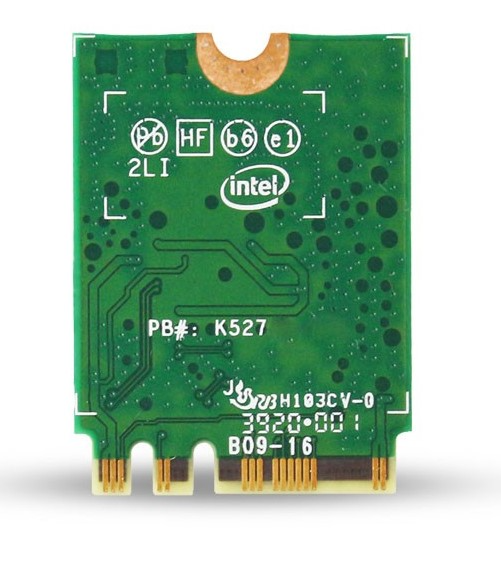
2. LAN Cards – The Foundation of Stability
For those who demand wired reliability, LAN cards are unbeatable. Perfect for gamers, offices, and enterprises where every millisecond counts.
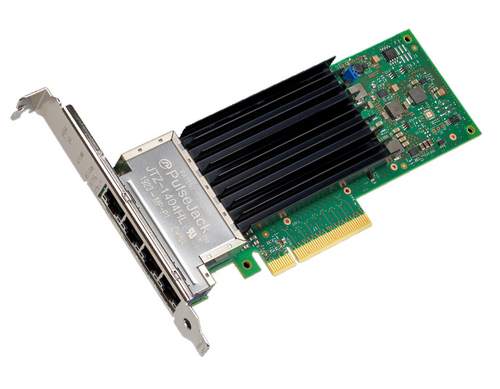
Intel X710-T4L Internal PCIe Ethernet 10000 Mbits
A high-performance 10GbE LAN card designed for data-heavy tasks, servers, and enterprise networks. If your workflow involves big data, streaming, or virtualization, this powerhouse delivers.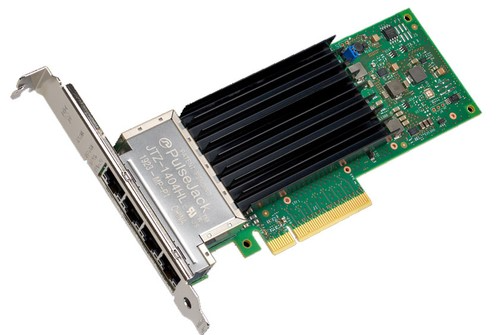
3. SFP Cards – The Choice for Enterprise Power
SFP (Small Form-factor Pluggable) cards are designed for data centers, enterprises, and fiber-based setups that demand ultra-high bandwidth.
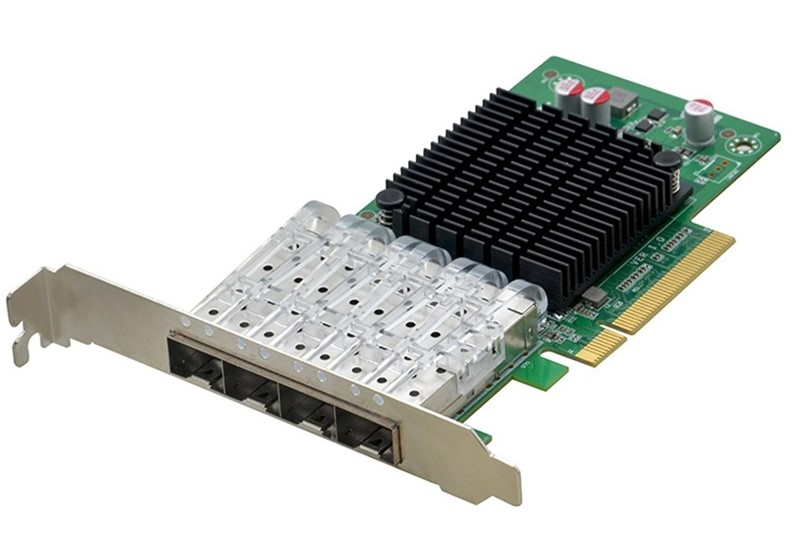
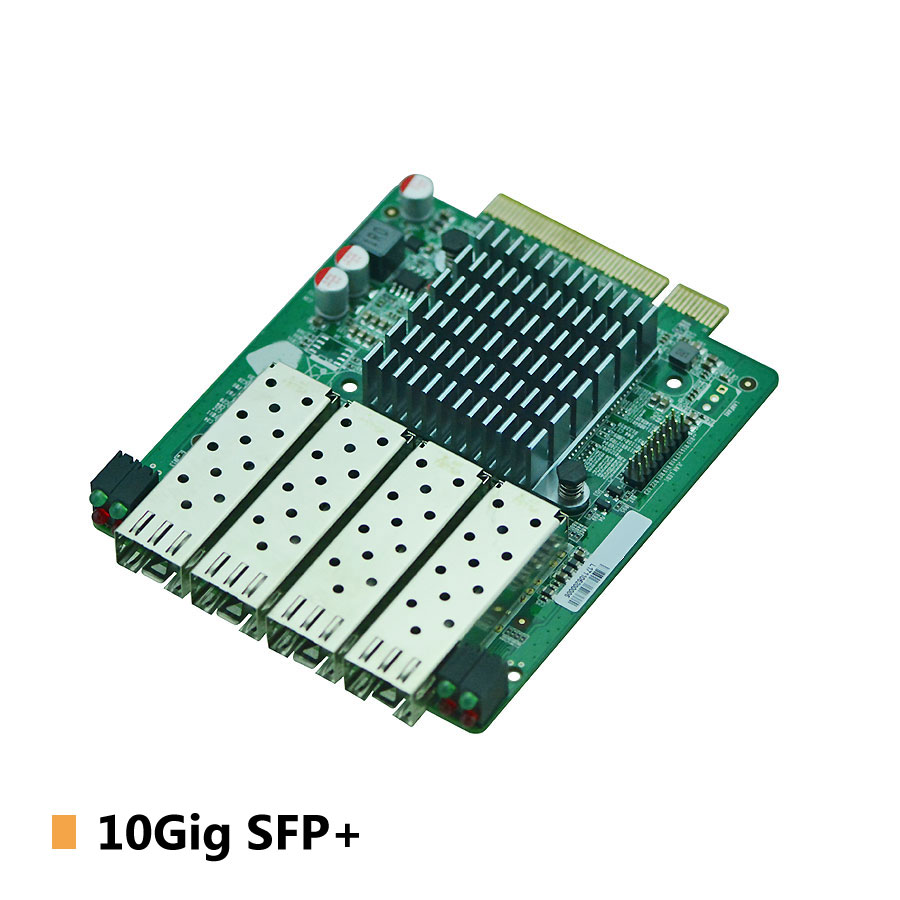
Quad Port 10Gig PCIe x8 SFP Port Network Interface Card
With four 10Gb SFP+ ports, this card provides massive scalability, ideal for high-traffic servers, enterprise backbones, and virtualization clusters.
Intel XL710BM2 PCIe x8 SFP 10Gig Fiber Port Card
A robust fiber network solution built for reliability and speed. Perfect for organizations embracing cloud computing or virtualized environments.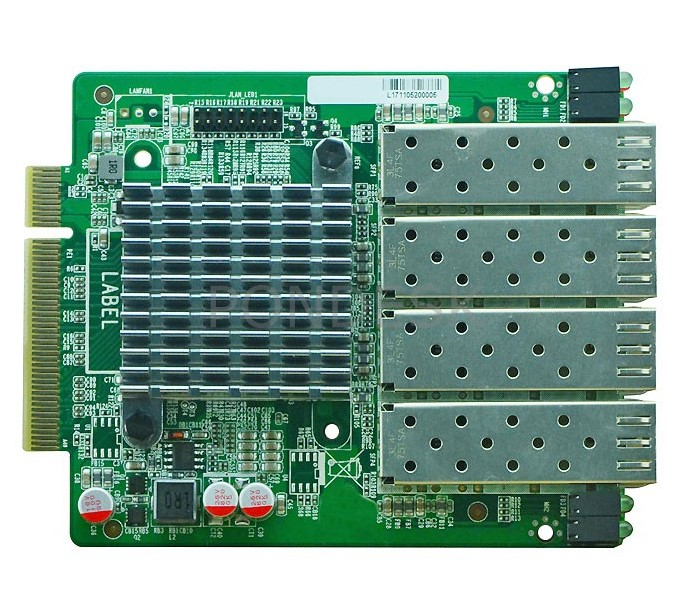
4. 4G Cards – Stay Connected Anywhere
For professionals working on the go, 4G cards are a lifesaver. They keep you online even when WiFi isn’t available.
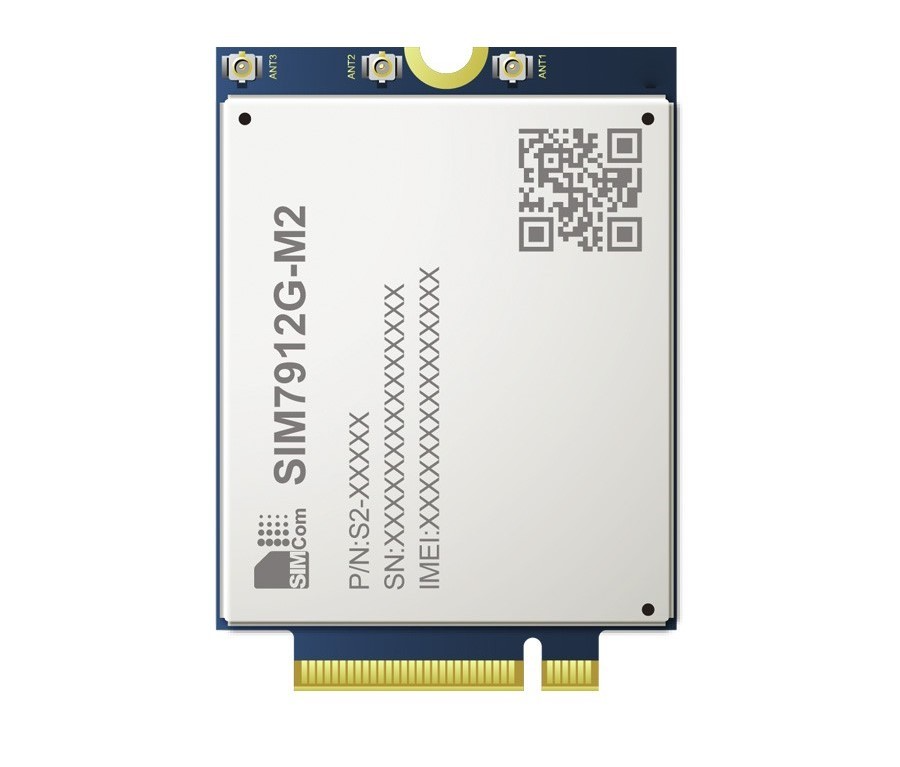
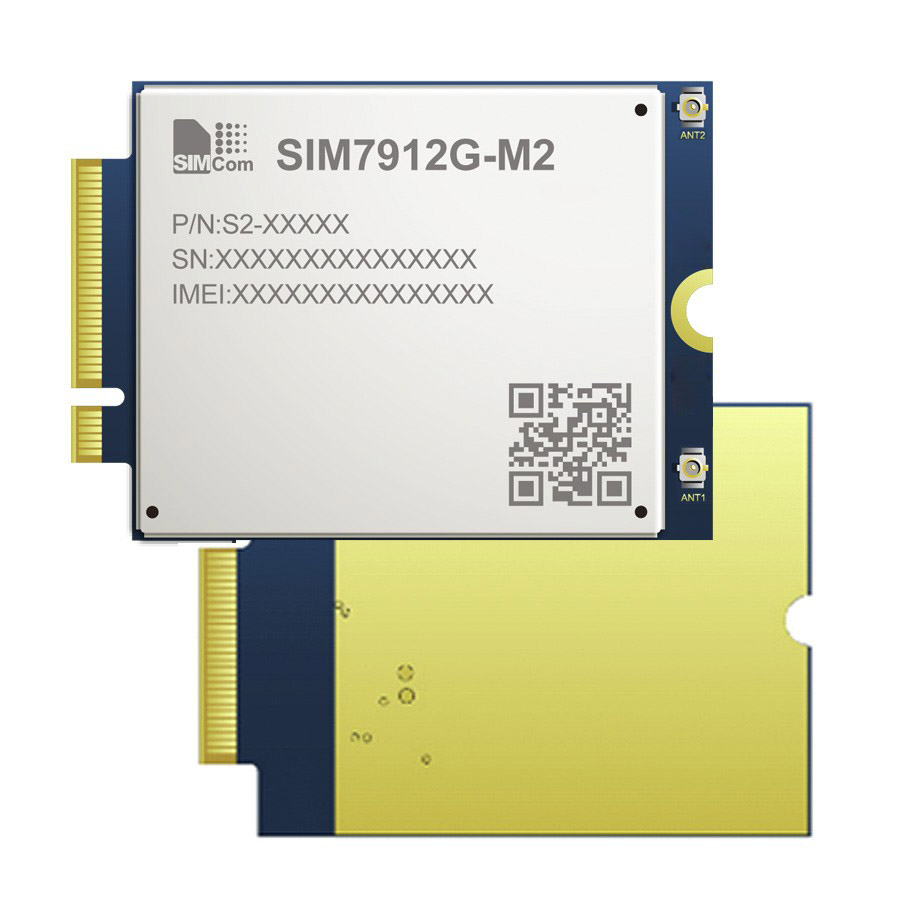
SIMCom SIM7912G-M2-3042 4G LTE/GNSS Cat12 Global Module
With speeds up to 600Mbps, this global module ensures connectivity almost anywhere. Ideal for field engineers, journalists, and remote workers.
SIMCom SIM7600GH-R2 LTE Cat4 mPCIe 4G LTE Module
A reliable and efficient 4G Cat4 solution, perfect for IoT devices, mobile workstations, and fleet tracking systems.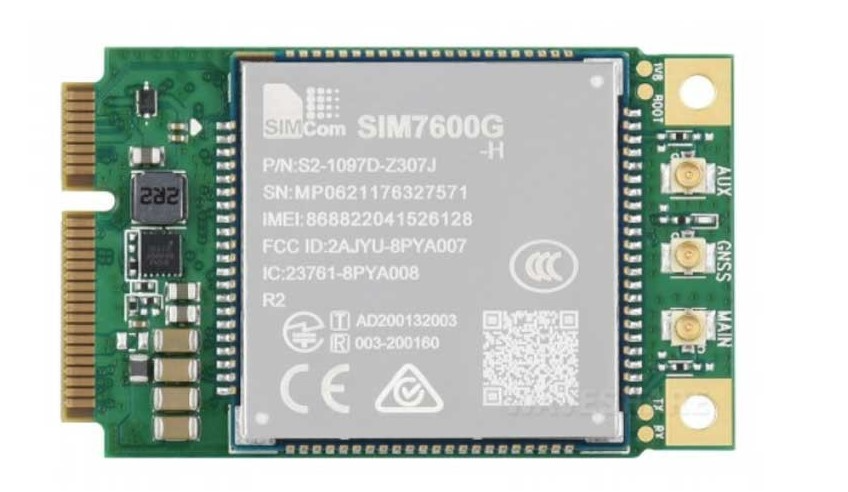
5. 5G Cards – The Future of Connectivity
5G network cards unlock next-level speed, ultra-low latency, and global coverage—designed for modern professionals and tech enthusiasts.
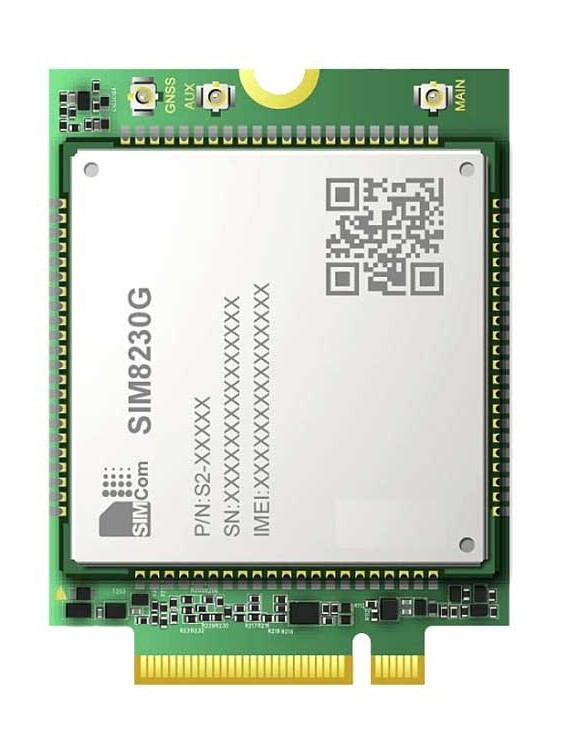
SIMCom SIM8230G-M2-3042 5G Sub6 Global Module
Compact and powerful, this 5G module offers 220Mbps RedCap connectivity, making it efficient for IoT and industrial applications.
Quectel RM502Q-AE IoT 5G Sub6 GHz M.2 Module
Optimized for IoT and enterprise mobility, this card provides lightning-fast 5G speeds—ideal for smart cities, automation, and mobile professionals.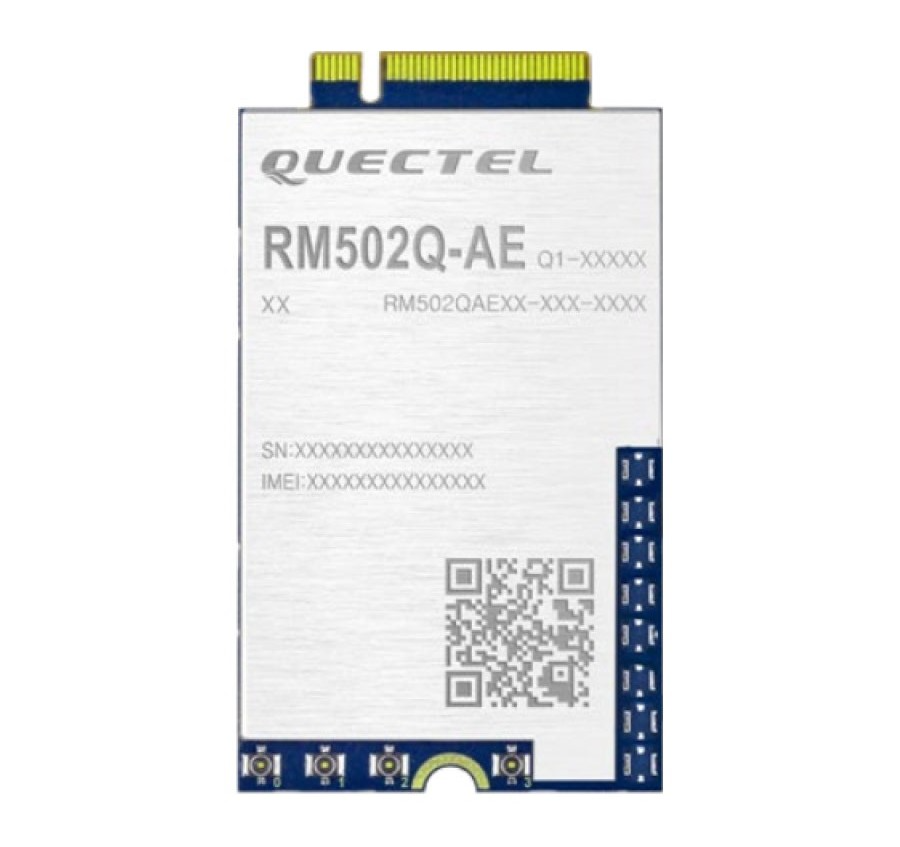
Buyer Tips – Choosing the Right Network Card
-
Gamers → Go for LAN Cards (for stability) or WiFi 6E Cards (for flexibility).
-
Remote Professionals → Choose 4G or 5G modules for uninterrupted connectivity.
-
Enterprises & Data Centers → Opt for SFP cards for maximum scalability.
-
Everyday Users → WiFi cards are affordable and reliable upgrades.
Final Word
Modern life depends on fast, stable, and secure connections—and network cards are the backbone of that experience. Whether you’re upgrading for gaming, business, or enterprise-level scalability, Pondesk offers the latest LAN, WiFi, SFP, 4G, and 5G cards to power your connectivity.
Explore the complete Network Adapter Cards Collection at Pondesk and upgrade your connection today.
FAQs
Q1. Can I use a LAN and WiFi card together?
Yes. Many desktops and laptops allow both LAN and WiFi cards. You can use LAN for heavy gaming or downloads while WiFi stays as a backup. Some even combine both for better speeds.
Q2. Are 5G cards backward compatible with 4G networks?
Yes. Most 5G cards are designed to automatically switch to 4G when 5G coverage isn’t available, so you’ll never lose connectivity. This makes them a future-proof investment.
Q3. Do SFP cards need special cables?
Yes. SFP cards work with fiber optic cables or copper transceivers, depending on the setup. They’re mainly used in enterprise environments where huge bandwidth and long-distance connectivity are required.
Q4. Which card is best for gaming?
Gamers usually prefer a LAN card for the lowest latency. However, if you want flexibility, WiFi 6E cards deliver excellent wireless gaming speeds with very low lag.
Q5. Are 4G/5G cards useful for businesses?
Absolutely. These cards ensure that teams working in remote locations or moving vehicles stay connected, which is crucial for logistics, construction, emergency services, and field operations.




Comments (0)