STONKAM Commercial Vehicle Cameras & AI Safety Systems
Product Code: CARS-070
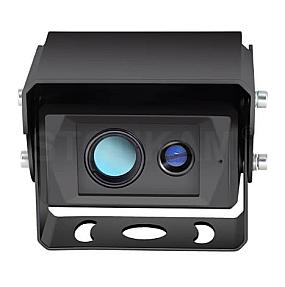
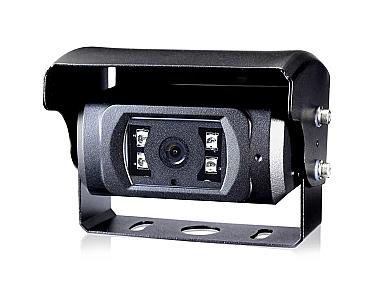
Stonkam (FHD635M) HD Auto Shutter Truck Reverse Camera IP69K 110°/130° Ang...
Commercial vehicle cameras and AI safety systems from STONKAM give fleet operators, forklift managers and construction site supervisors the visibility they need to cut collision risk and protect drivers, pedestrians and cargo. This collection covers STONKAM's core lineup, from waterproof reversing cameras and side-view units to intelligent pedestrian-detection systems and thermal imaging cameras. Every unit here is built for the vibration, temperature swings and constant washdowns that come with daily commercial use.
What to Look For in a Commercial Vehicle Camera System
Before comparing individual models, it helps to know what actually separates a decent camera from one that survives years on a working vehicle.
Start with the environment the camera has to survive. Forklifts, refuse trucks and construction machinery expose cameras to dust, pressure washing and constant vibration, so an IP69K waterproof rating and a solid vibration-resistant housing aren't optional extras. Resolution matters too: 1080P has become the practical baseline for identifying pedestrians, plates and road markings clearly, while lower-resolution units struggle in low light or at distance.
Beyond image quality, decide how much intelligence you actually need. A basic reverse camera only shows what's behind the vehicle. An AI-powered unit can detect a pedestrian in a blind spot and trigger an alarm before the driver even checks the screen, which is where STONKAM's pedestrian detection and radar-integrated cameras come in. For larger fleets, driver monitoring (DMS) and multi-channel dashcams add a second layer, watching for fatigue, distraction or phone use inside the cab as well as hazards outside it.
Finally, think about how the camera connects into the rest of the vehicle. AHD, LVDS and Ethernet interfaces each suit different vehicle electronics, so match the connection type to your existing monitor or MDVR before ordering.
It's also worth checking field of view and mounting method against the actual vehicle. A camera with a narrow angle mounted in the wrong spot can leave the exact blind spot you're trying to close uncovered, while a wireless, battery-powered unit like STONKAM's magnetic WI-FI cameras can save a full rewiring job on a trailer or piece of hired equipment. None of this needs to be perfect on the first attempt, but getting the resolution, rating and interface right up front avoids buying a second camera a year later.
STONKAM AI Cameras for Blind Spot & Pedestrian Detection
STONKAM's AI cameras are built to spot pedestrians, cyclists and other vehicles in blind spots and flag the risk to the driver in real time, rather than just relaying a video feed for the driver to interpret.
The Stonkam ADA38 1080P Intelligent Pedestrian, Vehicle Detecting & Warning Camera (CARS-065) and the Stonkam ADA32E HD Intelligent Pedestrian Detection Vehicle Ethernet Camera (CARS-062) both use deep-learning detection to identify people and vehicles entering a hazard zone, triggering visual and audio alerts so the driver can react before a collision. The Stonkam PSA827 Intelligent All-in-one Radar Integrated with Camera (CARS-056) pairs radar with vision to reduce false alarms, which matters on busy sites where a camera alone might over-trigger.
These sit well on forklifts, refuse trucks, buses and yard vehicles operating around pedestrians, and they're often combined with a 360° or side-view camera for full coverage rather than used as a standalone solution.
Thermal Imaging & Driver Monitoring Cameras
Standard cameras lose most of their usefulness in fog, heavy rain or full darkness. The Stonkam TC639-T6 Infrared Thermal Imaging Dual Spectrum Vehicle AI Camera (CARS-069, 92° angle) and the Stonkam TC639-T3 equivalent (CARS-068, 40° angle) use dual-spectrum thermal and visible-light imaging to keep detecting pedestrians and obstacles when visibility drops, which suits night operations, agriculture and emergency vehicles.
On the driver side, the Stonkam DMS31 Driver Status Monitoring System (CARS-064) watches for fatigue, distraction and other unsafe behaviours using visual imaging, giving fleet managers evidence and early warning rather than finding out about a problem after an incident.
Which STONKAM Camera Suits Your Vehicle?
The right choice depends on the vehicle and the risk you're trying to manage, not on picking the highest spec sheet.
- Forklifts and warehouse vehicles: the FHD814P laser positioning camera and pedestrian-detection cameras like the ADA38 address the leading cause of warehouse incidents, personnel struck by moving vehicles.
- Trucks and trailers: waterproof reverse and side cameras (FHD073, FHD410, FHD410L) plus a WDR front camera like the FHD844 cover the blind spots that matter most on long, wide vehicles.
- Buses and passenger vehicles: pair a 360° or side-view camera with the DMS31 driver monitoring system for both external hazard detection and driver behaviour oversight.
- Construction and agricultural machinery: thermal cameras (TC639-T6, TC639-T3) and wireless options (WF135897CAI, HDW897) handle poor visibility and vehicles where running a cable isn't practical.
- Fleets wanting continuous recording: JimiIoT's JC120 and JC181 dashcams, combined with CI02/CI03 cabin cameras, give a full record of both the road and the driver.
Why Buy STONKAM Cameras from PONDESK
PONDESK sources STONKAM cameras directly, so what you see listed is genuine, verified stock rather than unverified third-party resale. Pricing on this range is kept competitive against other UK suppliers of the same models, and orders come with free UK delivery, so there's no added cost for getting the right camera to your depot or workshop.
For fleet managers replacing cameras across multiple vehicles, buying from a single verified source also means consistent specifications across the fleet, rather than a mix of cameras sourced from different resellers with slightly different firmware or mounting hardware. If you're ordering for a larger fleet or need help matching a camera to a specific vehicle setup, PonDesk's team can advise before you order rather than after, which tends to save far more time than a returns process later.
What's the difference between a standard vehicle camera and an AI safety camera?
A standard camera only shows a live video feed for the driver to watch and interpret. An AI safety camera, like STONKAM's ADA38 or PSA827, analyses that feed in real time and triggers an alarm automatically when it detects a pedestrian, vehicle or hazard, cutting the reaction time needed from the driver.
Are STONKAM cameras waterproof enough for outdoor commercial vehicles?
Most of STONKAM's commercial-vehicle cameras carry an IP69K rating, which covers both high-pressure washdowns and full submersion resistance. That makes them suitable for refuse trucks, agricultural machinery and forklifts that get hosed down or work in wet conditions daily.
Can I mix STONKAM cameras with an existing monitor or MDVR system?
Yes, provided the interface matches. STONKAM offers AHD, LVDS and Ethernet camera options specifically so they can connect into existing vehicle monitors, MDVRs or fleet management platforms without replacing the whole system.
Do I need a driver monitoring system (DMS) as well as external cameras?
It depends on your risk profile. External cameras and pedestrian detection reduce collision risk outside the vehicle, while a DMS like the Stonkam DMS31 addresses driver fatigue and distraction inside the cab. Fleets running long shifts or higher-risk routes typically benefit from both, since the two systems cover different failure points rather than duplicating each other.
How many cameras does a typical commercial vehicle need?
There's no fixed number. A small delivery van might only need a single reverse camera, while a larger truck, bus or piece of construction machinery often runs a front, side, rear and cabin camera together for full coverage. Start with the blind spots that cause the most incidents on your specific vehicle type, then add coverage from there rather than fitting every available camera position from day one.
Best STONKAM Camera for Fleet Safety
For general fleet safety, the Stonkam ADA38 pedestrian and vehicle detection camera is the strongest all-round pick, since it combines AI-based hazard detection with audio and visual alerts rather than relying on the driver to spot risks unaided. For forklifts specifically, the FHD814P laser positioning camera is the more targeted choice, and for low-visibility conditions the TC639 thermal cameras cover what standard cameras miss.